An Encyclopedia and Go to Source for All Things UAP

UAP Personalities

  • Kazantsev, Alexander
    • Soviet science-fiction writer whose novel about Mars and catastrophic impact themes influenced popular “Tunguska-as-ET” style speculation.
    • Sometimes cited in UFO literature as an early popular source linking Tunguska to extraterrestrial craft ideas.
    • Important primarily as a cultural influence node, not as a UFO investigator.
  • Kean, Leslie
    • Investigative journalist who helped push UAP into mainstream credibility via reporting, sourcing, and advocacy for serious inquiry.
    • Author of a major modern UFO book and a key media bridge between insiders, witnesses, and public institutions.
    • Known for “serious-case” framing: treat unexplained incidents as a legitimate national-security/science question.
  • Keel, John
    • Author of “ultraterrestrial” and high-strangeness models; central chronicler of the Mothman era and paranormal-UFO overlap.
    • Argued UFOs behave like a trickster intelligence shaping belief and experience across cultures.
    • A foundational figure for modern “the phenomenon is weirder than ET craft” subcultures.
  • Keith, Jim
    • Conspiracy writer who packaged UFO lore, black-ops rumors, and Fortean claims into fast-moving “suppressed truth” narratives.
    • Known for bridging UFO topics with broader paranoia ecosystems (MKULTRA-style themes, secret tech, covert programs).
    • Influential in late-20th-century alternative publishing; criticized for weak sourcing and sensational synthesis.
  • Kelleher, Colm
    • Biochemist and administrator associated with NIDS/Bigelow-era investigations, often linked to Skinwalker Ranch and “high strangeness” research management.
    • Known for bridging scientific credentials with controversial anomaly programs and secrecy-adjacent narratives.
    • A key name in the modern institutional-anomaly research lineage; debated for evidentiary opacity and sensational associations.
  • Keyhoe, Donald
    • Ex–US Marine Corps aviator and NICAP leader who argued UFOs were real and the U.S. government was withholding information.
    • A dominant mid-century public advocate for official investigation and transparency.
    • Helped professionalize civilian pressure for “serious UFO inquiry” decades before the modern UAP era.
  • Khoury, Peter
    • Australian experiencer best known for the “hair sample” claim tied to an alleged bedroom encounter, often cited as rare physical trace in an abduction-style case.
    • A controversial figure whose case is used in arguments about physical evidence in experiencer narratives.
    • Debated heavily over chain-of-custody, interpretation, and the reliability of extraordinary personal testimony.
  • Kimball, Paul
    • Canadian filmmaker who chronicled UFO history and personalities through documentary storytelling.
    • Known for TV/film projects that framed UFOs as a cultural and investigative puzzle rather than a solved ET fact.
    • Influential as a media curator and interviewer within modern UFO documentary circles.
  • King, George
    • Classic “contactee” leader and founder of the Aetherius Society, claiming telepathic contact with cosmic masters.
    • Promoted “spiritual UFO” teachings, prophecies, and ritualized practices linking saucers to cosmic religion.
    • A defining figure in ufology’s religious/new religious movement branch.
  • Kinsella, Gary
    • UK UFO commentator and co-author/collaborator in the modern British ufology publishing/podcast ecosystem.
    • Often associated with UK case discussion, experiencer themes, and high-strangeness framing alongside Philip Kinsella.
    • Known more for media participation and collaboration than for a single signature investigation.
  • Kinsella, Philip
    • British UFO author best known for “time slip / vanishing” style cases and for a belief-forward, experiencer-friendly approach.
    • Often associated with modern British UFO waves and with integrating paranormal overlap into UFO interpretation.
    • Influential in UK ufology publishing; criticized for credulity and for blending UFOs with broader forteana.
  • Kirkpatrick, Sean
    • Physicist/defense official who led the Pentagon’s AARO during a key period of institutional UAP scrutiny.
    • Known for pushing structured reporting, analytic frameworks, and public-facing UAP updates while disputing some sensational claims.
    • Central figure in modern UAP bureaucracy—and a lightning rod for criticism from disclosure activists.
  • Kiviat, Robert
    • TV producer/host who brought UFO and fringe science topics to mass audiences, often with a sensational tabloid-TV tone.
    • Known for presenting controversial claims and “unexplained” stories in accessible prime-time formats.
    • Influential as a mainstream amplifier; criticized for entertainment-first framing.
  • Klarer, Elizabeth
    • South African “contactee” who claimed a romantic relationship and ongoing contact with an extraterrestrial from Alpha Centauri.
    • Her narrative became a major example of postwar contactee-era personal encounter storytelling.
    • Frequently cited in debates about contactee credibility, cultural scripting, and UFO spirituality.
  • Klass, Philip
    • Leading skeptical UFO critic who argued most cases are misidentifications, hoaxes, or misreporting, and campaigned against UFO “credulity.”
    • A major antagonist figure in ufology’s history, shaping standards of critique and controversy around witnesses and researchers.
    • Known for aggressive debunking and for polarizing disputes with prominent UFO advocates.
  • Kloor, Keith
    • Science journalist who wrote high-profile critiques of UFO/UAP narratives and the media ecosystem around “disclosure.”
    • Known for fact-checking claims, questioning sources, and analyzing the sociology of UAP hype cycles.
    • A modern skeptical voice focused on institutions, journalism ethics, and evidentiary standards.
  • Knapp, George
    • Investigative journalist who mainstreamed modern UFO reporting, especially through Nevada/Area 51 and Skinwalker-adjacent coverage.
    • A key media amplifier of Bob Lazar, secret-program rumors, and later UAP “serious journalism” narratives.
    • Highly influential—and heavily debated—for how much weight his sourcing deserves.
  • Knuth, Kevin
    • Physicist who treats UAP as a legitimate scientific question and advocates rigorous analysis of credible cases.
    • Known for technical commentary and for arguing that some UAP reports may reflect advanced technology.
    • Influential as a “science-facing” voice within modern UAP discourse.
  • Korff, Kal
    • UFO debunker/critic known for targeting high-profile claims and arguing that famous incidents are misrepresented or fraudulent.
    • Noted for aggressive criticism of Roswell-era narratives and for clashes with prominent UFO researchers.
    • A polarizing skeptic figure within modern ufology culture wars.
  • Kottmeyer, Martin
    • Folklorist and skeptic who analyzed UFO/abduction narratives as modern legend, meme, and culturally scripted experience.
    • Known for tracing motifs and showing how media, rumor, and expectation shape “encounter” reports.
    • Influential in “ufology as folklore” and narrative-contagion analysis.
  • Krippner, Stanley
    • Psychologist known for dream, hypnosis, and consciousness research; a prominent academic voice engaging UFO/abduction experiences as altered-state phenomena.
    • Associated with experiencer studies and parapsychology-adjacent approaches to anomalous reports.
    • Influential for legitimizing psychological/consciousness perspectives inside ufology.
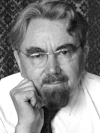
  • Kurtz, Paul
    • Founder of modern organized skepticism who attacked paranormal/UFO claims and promoted scientific skepticism as a social movement.
    • Key architect of skeptic institutions that framed ufology as pseudoscience and demanded stringent evidence.
    • A central figure in the skeptic-versus-ufology cultural conflict.