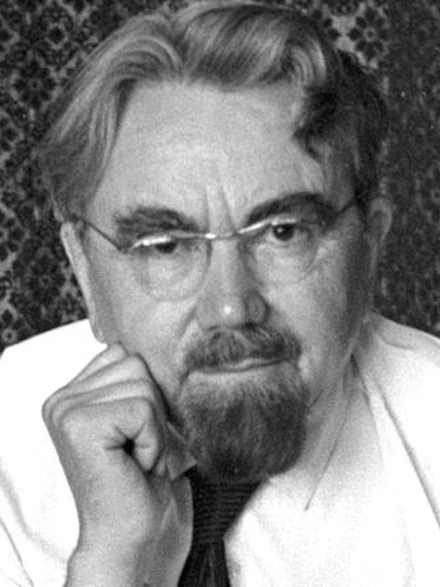
Introduction
Alexander Kazantsev was a Soviet science-fiction writer whose influence on ufology is indirect but historically notable. He is sometimes referenced in UFO and fortean literature in connection with the cultural evolution of speculative interpretations of the Tunguska event, including the idea—popular in some mystery circles—that a technological or extraterrestrial factor could have been involved. Kazantsev’s relevance is therefore primarily cultural: he contributed narrative templates that later mystery writers and UFO commentators could adapt.
Background
Kazantsev’s career was rooted in science fiction, a genre that often functions as a laboratory for popular technological imagination. In contexts where official scientific explanations remain complex or contested in the public mind, science-fiction motifs can become enduring alternative explanations, especially when amplified through popular publishing.
Ufology Career
Kazantsev was not a ufologist. His “ufology career” is essentially his afterlife in ufological citation: his speculative motifs are sometimes treated as inspirations for later mystery narratives, and he is occasionally credited (rightly or wrongly) with encouraging the notion that Tunguska might be linked to extraterrestrial technology.
Early Work (Year-Year)
In early work, Kazantsev developed science-fiction themes involving cosmic events, technological catastrophe, and the dramatic implications of contact or spacefaring civilization. These themes later intersected with fortean curiosity about real unexplained historical events.
Prominence (Year-Year)
His prominence in ufology-adjacent contexts arises when writers trace the genealogy of certain ideas—especially “Tunguska as alien craft” style speculation—to mid-century popular narratives. In this sense, Kazantsev is a node in the story of how speculative culture influences mystery belief.
Later Work (Year-Year)
Later relevance persists through citation and the continued circulation of Tunguska mystery theories. His role remains primarily that of cultural contributor rather than evidentiary authority.
Major Contributions
- Myth-template contribution: Supplied science-fiction motifs that later bled into fortean/UFO speculation.
- Cultural bridge: Demonstrated how fiction can shape the public imagination around real anomalies.
- Tunguska mystery genealogy: Became part of the historical tracing of extraterrestrial interpretations of the event.
Notable Cases
Tunguska (as cultural motif): Kazantsev’s relevance concerns how Tunguska became a fertile site for speculative reinterpretation. He is not a primary scientific investigator of Tunguska; his contribution is narrative influence.
Views and Hypotheses
As a fiction writer, Kazantsev’s “hypotheses” function as imaginative possibilities rather than scientific claims. In ufology-adjacent use, these imaginative possibilities can be misconstrued as early “proposals,” highlighting a recurring issue in fortean culture: the porous boundary between story and evidence.
Criticism and Controversies
Criticism typically concerns misattribution and category confusion—treating fiction as if it were investigative scholarship. In the UFO ecosystem, Kazantsev’s name can be invoked to lend historical weight to ideas that originated in imaginative narrative rather than in evidence-based inquiry.
Media and Influence
His influence is strongest through the long afterlife of Tunguska mystery narratives in documentaries and books, where cultural genealogy is often used to enrich storytelling.
Legacy
Kazantsev’s legacy in ufology is indirect: he is a reminder of how science fiction can seed and shape later mystery beliefs, particularly around iconic anomalous historical events like Tunguska.