Introduction
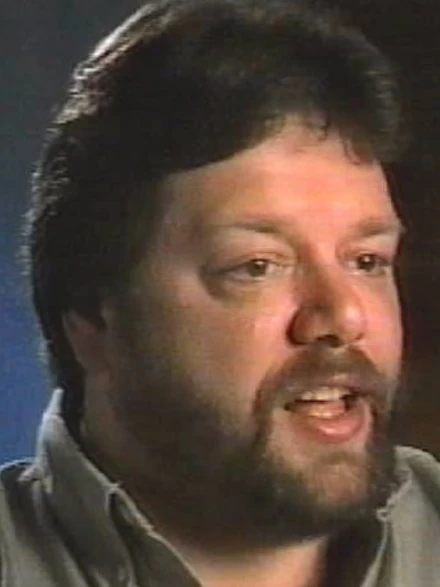
Kal Korff is a writer and UFO critic associated with debunking high-profile UFO narratives, especially those tied to Roswell and other iconic cases. Korff’s role in ufology is adversarial: he positions himself against what he views as mythology, exaggeration, or fraud within the UFO community. His work is influential among skeptics and sharply contested among ufologists, making him a recurring figure in the field’s internal conflict over standards of evidence and historical accuracy.
Background
Korff’s public identity developed through investigative-style writing that targets the construction of UFO legends. He approaches the UFO topic as a domain where stories evolve through repetition, selective quoting, and the accumulation of retrospective testimony, and he emphasizes that these processes can generate convincing myths without physical evidence.
Ufology Career
Korff’s ufology career consists of producing critiques aimed at dismantling major UFO narratives. He challenges witnesses, timelines, and the documentary provenance behind famous stories. Unlike scientific skeptics focused on misidentification, Korff often targets alleged fraud, exaggeration, and the sociology of belief within ufology itself.
Early Work (Year-Year)
In early work, Korff established his focus on iconic cases that serve as anchors for UFO belief. He developed arguments emphasizing that once an incident becomes culturally central, it attracts opportunistic claims and memory distortion, producing a story that grows over time.
Prominence (Year-Year)
Korff’s prominence increased through public controversy: his critiques generated strong reactions, and his confrontations with prominent ufologists helped cement him as a high-visibility skeptic voice. The intensity of these disputes kept his name circulating in both skeptical and believer communities.
Later Work (Year-Year)
In later years, Korff’s role remained largely the same: a combative critic of UFO narratives, often returning to the same contested cases as new documentaries and books revived public interest.
Major Contributions
- Myth-formation critique: Emphasized how iconic UFO stories can expand through retrospective testimony.
- Adversarial case analysis: Targeted inconsistencies and provenance issues in major narrative cornerstones.
- Polarization catalyst: Became a key personality in skeptic-versus-ufologist culture wars.
Notable Cases
Roswell: Korff is most closely associated with attacking Roswell’s expanded crash-and-bodies narrative, arguing it is built on unreliable and evolving claims. He has also engaged other high-profile cases where he believes documentation fails to support extraordinary conclusions.
Views and Hypotheses
Korff generally argues that the UFO community frequently overstates evidence and constructs legends through repetition and motivated reasoning. He treats sensational claims as requiring strict documentary proof and often regards institutional ambiguity as an invitation for myth rather than a sign of hidden truth.
Criticism and Controversies
Korff is criticized for confrontational tactics, perceived bias, and for claims that his critiques sometimes rely on selective emphasis. Supporters argue that combative skepticism is necessary to counter a marketplace that rewards sensationalism. His controversies largely reflect the UFO field’s structural polarization.
Media and Influence
Korff’s influence is strongest in skeptical UFO literature and in media segments that present debunking viewpoints. He remains a reference point in debates over Roswell and over how ufology constructs its legends.
Legacy
Korff’s legacy is that of a polarizing debunker who focused on the sociology and historiography of UFO legends, helping shape skeptical critiques of iconic cases—especially Roswell—while intensifying ufology’s adversarial culture.