An Encyclopedia and Go to Source for All Things UAP
-
- Known for rigorous force-measurement approaches applied to “asymmetric capacitor” propulsion claims.
- Emphasized controls that separate electrostatic attraction, ion wind, vibration, and wiring forces from true thrust.
- Associated with the view that most reported “Biefeld–Brown thrust” is explainable by conventional EHD/corona effects.
- Frequently cited as a skeptical benchmark in later institutional reviews of electrogravitics-style claims.
-
- Physicist and parapsychology researcher who co-developed “remote viewing” at SRI.
- A major crossover figure between psi research and intelligence-lore adjacent to UFO culture.
- Criticized for methodological weaknesses and the pseudoscience label applied to remote viewing claims.
-
- Psychologist/parapsychologist known for altered-states and psi research; a key “consciousness” crossover figure.
- Influential in how UFO-adjacent circles interpret anomalous experience (consensus trance, altered perception).
- Often criticized by skeptics for endorsing paranormal interpretations; influential in transpersonal psychology discourse.
-
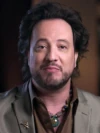
- Scientist/engineer and TV personality associated with The Secret of Skinwalker Ranch.
- Publicly framed anomalous ranch events as potentially scientific unknowns worth investigation.
- Also authored popular nonfiction that blends motivational “law of attraction” claims with a science veneer.
-
- Author of The Sirius Mystery, arguing Dogon lore reflects extraterrestrial contact claims.
- A major figure in “ancient astronauts” pseudoarchaeology through Sirius/Dogon narratives.
- Widely criticized for speculative leaps and contested ethnographic interpretations.
-
- Italian astrophysicist known in anomaly research circles for work on the Hessdalen lights.
- Approached luminous-atmospheric anomalies with instrumentation and field observation.
- A contested figure in “scientific anomaly” discourse due to clashes with skeptical and Wikipedia-edit cultures.
-
- UK “mysteries and histories” author/lecturer covering UFOs, cover-ups, and crop circles.
- Known for a “balanced but open” brand positioned between skeptics and believers.
- Authored overview-style conspiracy/UFO books used as gateway reading.
-
- Author tied to The Adam and Eve Story, a catastrophic “cycle” narrative often circulated in conspiracy/UFO-adjacent circles.
- A persistent motif in “suppressed knowledge” lore due to declassified government-library copies.
- Frequently invoked in pole-shift / cataclysm / hidden-history discussions more than classic UFO casework.
-
- Investigative journalist/author best known for intelligence-related books; occasionally referenced in UFO-adjacent “secrecy” culture.
- Not a core ufologist, but often overlaps thematically with cover-up narratives.
- Influence mostly via the broader “secret intelligence world” literature.
-
- Conspiracy writer and publisher of Steamshovel Press; covered UFO history and parapolitics themes.
- Authored works connecting UFO lore to broader deep-politics and intelligence narratives.
- Influential as an archivist/editor shaping what “counts” as the parapolitical UFO canon.
-
- Author of Angels and Aliens linking UFO narratives to mythic imagination frameworks.
- Positions UFO belief as a modern myth-form with cultural and psychological roots.
- Represents a literary-cultural lens rather than strict case-investigation ufology.
-
- Author of the multi-volume series A Citizen’s Disclosure on UFOs and ETI.
- Frames UFO evidence as a curated “citizen archive” of photos, documents, and interpretive history.
- Represents a self-published, compendium-driven approach rather than institutional ufology.
-
- Defense/UAP journalist known for reporting on Navy “UFO patent” and UAP policy/report developments.
- Acts as a media bridge between official documents and public UAP narratives.
- Not a “ufologist” investigator so much as a modern UAP news interpreter.
-
- Memoir-style author in “secret space program” lore claiming insider access to classified aerospace and alien narratives.
- Best known for the Selected by Extraterrestrials series sold as personal testimony.
- Highly controversial: treated by supporters as whistleblowing, by critics as unverifiable storytelling.
-
- Aristocratic UFO/ancient-ET writer tied to “Hollow Earth,” ancient aliens, and secret-history claims.
- Authored multiple books arguing extraterrestrials shaped human origins and religion.
- Associated with sensational claims such as alleged Eisenhower–alien contact stories.
-
- Sociologist who investigated paranormal claims and co-founded CSICOP, later critiquing “pseudoskepticism.”
- A major influence on how UFO/paranormal claims are debated (burden of proof, standards of evidence).
- Often cited for framing skepticism as a method—not just debunking.
-
- Iconic TV face of the “ancient astronauts” idea via Ancient Aliens.
- Popularized the claim that many ancient myths/monuments reflect extraterrestrial intervention.
- A lightning rod for criticism over speculative, non-falsifiable interpretations of history.
-
- Abduction-focused author whose books framed alien encounters as manipulative and traumatic.
- Helped define a “dark abduction agenda” strand distinct from benevolent-contact narratives.
- Highly influential among experiencer communities; heavily disputed by skeptics and alternative-abduction theorists.
-
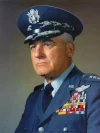
- U.S. Air Force general historically tied to early “flying discs” internal assessment via the “Twining memo” lore.
- Not a ufologist by trade, but influential in the institutional origin story of modern UFO discourse.
- Often cited in debates about early military seriousness toward UFO reports.
-
- Mainstream astrophysicist and science communicator who frequently dismisses UFO claims absent strong evidence.
- A prominent skeptical foil in UFO culture debates, often emphasizing data quality and reproducibility.
- Influential because his commentary shapes mainstream audience expectations about what “counts” as proof.
me@robertfrancisjr.com
Copyright 2026