An Encyclopedia and Go to Source for All Things UAP
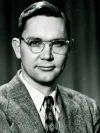
U.S. Navy optical physicist who became one of ufology’s most cited “technical analysts” of photos/film, radar narratives, and government documents.
Longtime MUFON leader (Maryland) and founding director/chair of the Fund for UFO Research (FUFOR), funding investigations and FOIA work.
Known for detailed defenses and critiques of major cases (Trent photos, Kaikōura lights, Tehran 1976, JAL 1628, Gulf Breeze, Phoenix Lights).
Polarizing: praised for rigorous photometric analysis; criticized for defending disputed photographic cases and “insider” case narratives.
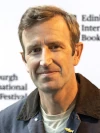
Literary nature writer occasionally drawn into “high strangeness” discourse as a cultural interpreter rather than a UFO investigator. Cited in ufology-adjacent circles for treating anomalous experience as meaningful folklore and landscape psychology. Not a core ufologist, but sometimes referenced as a prestige “outsider voice” on the edges of the subject.
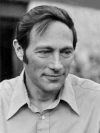
Harvard psychiatrist who brought “alien abduction” claims into mainstream clinical and academic conversation. Best known for interviewing experiencers, publishing influential books, and framing abductions as psychologically real (regardless of literal origin). Controversial for methods, evidentiary standards, and for legitimizing extraordinary claims via elite credentials.
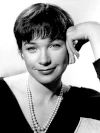
Celebrity New Age icon who mainstreamed UFO/abduction-adjacent beliefs through memoir-style spirituality and cosmic narratives. Known for promoting reincarnation, channeling, and “cosmic” interpretations that overlap with contactee/experiencer culture. A major bridge between entertainment fame and metaphysical ufology.
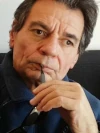
Italian abduction researcher known for hypnosis-based “alien interference” models and elaborate typologies of non-human entities. Notorious for strong claims about parasitic/exploitative alien agendas and for treating hypnosis narratives as evidential. Highly controversial within and outside ufology due to methodology and extraordinary conclusions.
Sol Foundation treasurer associated with the governance and financial structure of a disclosure-era UAP institution that seeks academic legitimacy and policy relevance.
Known in ufology mainly as part of the organizational backbone enabling conferences, programming, and sustained public presence rather than as a case investigator or theorist.
Represents a newer category of UAP-adjacent contributor: administrators and professionals who help build durable institutions around UAP without being the primary public “UFO personality.”
Frequently mentioned in some UFO-adjacent online spaces more for “establishment dissent” persona than for direct UFO investigation. Appears as a cross-topic media figure sometimes intersecting with disclosure discourse. Not a core ufologist; relevance is mostly by association with broader alternative-media ecosystems.
Son of Jesse Marcel, notable for claims about witnessing Roswell debris as a child. A key second-generation Roswell testimony figure used in crash-retrieval narratives. Criticized as memory-vulnerable, but influential as a “family witness” within Roswell lore.
U.S. Army Air Forces intelligence officer tied to the Roswell incident and its later UFO mythology. A central “crash retrieval” figure in the most famous UFO case in history. His later recollections became core fuel for Roswell’s transformation into a UFO cultural cornerstone.
Investigator and author known for work on the Betty and Barney Hill case and related abduction-era history. A prominent modern caretaker of classic abduction narratives and associated archival materials. Influential in keeping the Hill case central in experiencer discourse.
UFO historian/archivist known for deep case-file work and “best evidence” historical documentation. Associated with major archive-centered UFO research circles and careful provenance emphasis. Respected for documentation-first methodology over hype.
Evangelical Christian author who frames UFOs as a theological/spiritual warfare issue rather than purely physical extraterrestrial visitation. Known for popular books and documentaries connecting UAP to biblical prophecy and “Nephilim” narratives. A major figure in the “Christian ufology” subgenre.
Mexican TV journalist who became one of the most famous UFO media personalities in the Spanish-speaking world. Known for high-profile UFO coverage and repeated “evidence reveals,” including controversial specimen/artifact claims. A lightning rod: influential popularizer to supporters, serial credulity symbol to critics.
Engineer and UFO author known for technical-style arguments supporting extraterrestrial interpretations. Associated with “science-y pro-ET” advocacy and attempts to quantify case evidence. Criticized for confirmatory bias and for treating uncertain data as convergent proof.
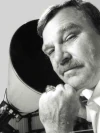
For decades Mark has been the public face for the leak of the "Alien Reproduction Vehicle" aka "Fluxliner" by fellow aerospace designer colleague "Brad".
First gained notoriety at the Disclosure Project Press Club Briefing in 2001 where he displayed the line art blueprint of the ARV.
Mark spent decades conducting research attempting to decipher the ARV's propulsion and energy systems to fully understand how the ARV functions and sharing that information with the world in interviews and documentaries.
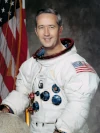
Gemini/Apollo astronaut associated with a famous 1965 “UFO sighting” episode later debated as misidentification vs anomaly. A key “astronaut witness” name used in credibility arguments about sightings by elite observers. Often cited as part of the broader astronaut-UFO discourse.
Atmospheric physicist who became one of the most cited academic advocates for serious UFO investigation. Known for arguing that a residue of cases—especially pilot/military reports—remained genuinely unexplained. A major reference point in “scientists who took UFOs seriously” historiography.
Military/aviation-linked skeptic voice associated with critical analysis of UFO claims. Often cited in debates where credentials are used to counter “pilot witness” arguments. Represents the “experienced aviator but skeptical” posture within UFO discourse.
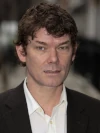
Notorious “UFO hacker” accused of penetrating U.S. military/NASA-related systems while searching for proof of UFO secrecy. A defining case in the intersection of ufology, cybercrime, and “disclosure by data theft” mythology. Highly publicized extradition/legal saga that turned a computer intrusion case into a UFO culture touchstone.
U.S. Army intelligence veteran best known for “remote viewing” claims and association with government psychic programs. A major crossover figure between parapsychology and UFO lore, often linked to “psychic intelligence” narratives. Highly polarizing: cited as proof of anomalous perception by believers, dismissed as non-scientific by skeptics.
French researcher known for treating UFO/close-encounter narratives as culturally patterned “mythic” or folkloric material. A major European voice linking ufology to sociology, folklore studies, and the history of ideas. Influential in “UFO as cultural phenomenon” schools, controversial to literalist ET advocates.
Swiss contactee famous for extensive claimed contacts with “Pleiadians” and for prolific photo/video/prophecy materials. One of the most debated contactee cases ever: influential to believers, heavily challenged by skeptics. A landmark example of modern contactee mythology and the durability of narrative ecosystems.
Disclosure-era policy heavyweight who helped push UAP into oversight and national-security discourse.
Prominent advocate for transparency reforms and institutional attention to military UAP incidents.
On-camera and behind-the-scenes strategist in TTSA/HISTORY Channel UAP media era.
Key bridge between Washington credibility cues and public disclosure activism.
Classic contactee who claimed repeated friendly encounters with “space people” and delivered spiritual messages. A key figure in the 1950s–60s contactee movement that shaped early UFO religion and New Age crossover. Often criticized as mythology-building, but historically influential in experiencer culture.
Harvard astronomer and one of the most cited academic skeptics of UFO claims in mid-century America. Argued most sightings were misinterpretations of astronomical/atmospheric phenomena and human error. A cornerstone figure in the “scientific skepticism vs UFO belief” historical debate.
Influential French ufologist who treated UFO reports as structured phenomena tied to waves, geography, and “orthoteny.” A major architect of European “patterns in the data” ufology. Often criticized for statistical/interpretive leaps and for over-structuring noisy reports.
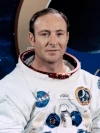
Apollo astronaut who publicly endorsed UFO reality and advocated disclosure after his NASA career. Prominent for blending astronaut authority with claims about government secrecy and human consciousness. A defining “astronaut witness/advocate” figure in modern ufology.
Out-of-body experience pioneer whose “Gateway”/consciousness exploration became deeply entangled with UFO and non-human intelligence narratives. A core figure for “UFOs as consciousness/interdimensional” interpretations. Highly influential, heavily debated, and foundational to modern “woo” ufology.
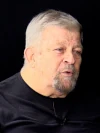
UFO author best known for major roles in The Roswell Incident (1980) and early public MJ-12 promotion.
Central figure in 1980s “insider briefing” culture; cultivated Air Force / intel contacts later tied to “Aviary” lore.
Admitted to participating in deception/disinformation efforts within ufology, sparking long-running controversy.
His work helped canonize Roswell and shaped modern “secret government” UFO narratives despite disputed sourcing.
me@robertfrancisjr.com