An Encyclopedia and Go to Source for All Things UAP
Aviation/human-factors researcher who helped formalize “pilot UFO report” methodology. Co-founded NARCAP and pushed the idea that UAP are an air-safety issue first. Known for structured case intake, aviation terminology discipline, and skepticism toward sloppy reporting.
Prolific British compiler/editor of UFO casebooks and “mysteries” anthologies for mass audiences. Known for packaging canonical UFO incidents into readable, narrative-driven reference volumes. A major popularizer whose impact is breadth of circulation more than original investigation.
Astrophysicist/author whose “cosmic intelligence / purpose” arguments are frequently cited in UFO- and consciousness-adjacent circles. Promoted speculative frameworks that some UAP commentators use to contextualize non-human intelligence without relying on casework. Known more for philosophical/theoretical influence than for investigating classic UFO cases.
British military historian and prolific author whose “mysteries” output overlaps with UFO/forteana publishing. Known for popular compilations linking wartime lore, strange phenomena, and unconventional claims. Primarily a writer-curator rather than a primary UFO investigator.
Religious studies scholar who treated UFOs as a modern myth system and wrote major historical syntheses. Known for reframing UFO belief, abduction narratives, and “disclosure” culture as meaning-making systems. A prominent “meta-ufology” voice: not primarily a field investigator, but highly influential in interpretation.
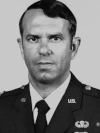
Deputy base commander tied to the Rendlesham Forest incident, one of the UK’s most famous modern UFO cases. Authored the “Halt Memo,” a core document repeatedly cited in case reconstructions. A major witness whose statements shaped decades of debate about military credibility vs. ambiguity.
Alternative history author whose “ancient advanced civilization” thesis is frequently linked to UFO lore. Popularized ideas about lost technologies, cataclysms, and suppressed knowledge that overlap with UAP culture. Not a classic ufologist, but deeply influential in the broader ecosystem that feeds “mystery” interpretations.
“Trickster” theorist who argued UFO/paranormal phenomena behave like destabilizing, boundary-violating forces. Helped bridge ufology with broader parapsychology and cultural-anthropological interpretations. Influential in “high strangeness” circles; criticized for non-falsifiable interpretive models.
Astrobiologist and policy-minded scholar whose UAP relevance comes from proximity to “serious study” networks, blending SETI, science governance, and cultural implications of discovery.
Associated with the broader disclosure-era move to treat anomalous phenomena as interdisciplinary problems that include ethics, institutions, and long-term civilizational consequences.
As a Sol advisory figure, he strengthens Sol’s “space/astrobiology legitimacy” axis—linking UAP talk to mainstream questions about life, intelligence, and evidence in the cosmos.
Engineer and APRO research director who investigated UFO reports and helped legitimize early abduction-era inquiries. Associated with systematic case interviewing and the push to treat witness testimony as structured data. A major “infrastructure” figure in mid-century civilian ufology organizations.
Planetary scientist best known in ufology as a Condon Committee analyst who argued most UFO cases were explainable. Helped shape the “scientific debunking/report” tradition that influenced institutional skepticism for decades. Frequently cited as an example of “mainstream science engagement” with UFO data that ended pessimistically.
Author-researcher who cataloged alleged UFO activity near nuclear weapons facilities. Built a long-running narrative that UAP monitored—and sometimes interfered with—nuclear forces. Highly influential in the “UFOs and nukes” subfield and heavily debated for evidentiary standards.
Roswell Army Air Field public information officer whose statements became central to the Roswell mythology. Helped issue the original “flying disc” press release and later became a key figure in evolving narratives. A cornerstone personality in debates over what Roswell meant and how stories changed over time.
Former Canadian defense minister who publicly endorsed UFO cover-up and “disclosure” narratives. Amplified claims about extraterrestrials, secrecy, and suppressed technology from a high-status political perch. A flagship example of “high-ranking official” rhetoric in modern UFO culture—admired and disputed.
CUFOS investigator who wrote one of the most respected practical manuals for UFO field investigation. Known for careful, skeptical-but-open case evaluation and emphasis on eliminating misidentifications. A model “investigator’s investigator” in the post–Blue Book civilian research landscape.
Experiencer-research organizer best known for founding FREE and editing large survey-driven compilations. Helped mainstream “contact/abduction” study as a broad spectrum of extraordinary experiences. Influential in modern experiencer culture; controversial for interpreting subjective reports as evidence of external reality.
German author who connected UFO themes with religious history and “miracle” interpretation frameworks. Known for arguing that some historical religious phenomena could be reinterpreted through modern anomaly lenses. A controversial bridge figure between Catholic-themed mystery publishing and UFO speculation.
Aerospace engineer who attempted to model UFO flight characteristics as an engineering problem. Known for treating reported maneuvers as implying advanced propulsion and control. Influential among “nuts-and-bolts” ufologists, though criticized for inference leaps from testimony.
Zimbabwean UFO researcher most associated with the 1994 Ariel School incident investigation. A primary local figure who collected testimony and helped bring the case into global UFO literature. Her work remains central to debates about child witness reliability, narrative drift, and cross-cultural interpretation.
Romanian science writer/editor who helped establish and curate Romanian ufology and OZN literature. Known for popularizing UFO topics behind the Iron Curtain and shaping local case canon and terminology. Influential mainly through publishing, editorial leadership, and cultural translation of global UFO narratives.
German conspiracy/occult publishing figure (also known as “Jan van Helsing”) whose work blends UFO lore with secret-society narratives. Popularized sweeping “hidden history” frameworks in which aliens, governments, and elites are interlinked. Highly controversial for extremist-adjacent themes and for promoting claims widely criticized as defamatory or propagandistic.
Artist-turned-investigator who helped popularize modern alien abduction narratives. Used hypnosis-centered interviewing and case compilation to argue abductions were widespread and physical. A defining—and divisive—figure criticized for suggestive methods and strong inference from fragile data.
Disclosure-era narrative figure associated with structured “insider program” frameworks in UFO media. Known for promoting detailed organizational models of secrecy and alleged non-human interactions. A polarizing personality whose influence comes from storyline architecture rather than case investigation.
Investigative journalist who became a major UFO media personality spanning cattle mutilations to UAP politics. Built a long-running brand around government secrecy, whistleblower narratives, and high-strangeness investigations. Highly influential online and in documentaries—also criticized for credulity and uneven sourcing.
Writer who curated high-profile UFO cases and produced accessible synthesis for mainstream audiences. Known for case-driven books and media-friendly framing of controversial incidents. A bridge figure between serious-case compilations and pop-UFO publishing.
Project Blue Book scientific advisor who evolved from skeptic consultant to “scientific ufology” architect. Created enduring concepts like “close encounters” classification and argued some cases resist conventional explanation. A foundational figure whose shifting stance shaped the modern UFO research landscape.
me@robertfrancisjr.com