Introduction
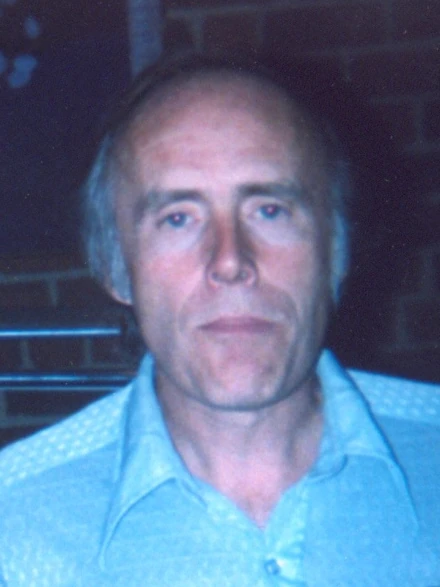
Bruce Maccabee is an American optical physicist and long-time civilian UFO researcher known for technical approaches to photographic and film evidence. Within ufology, Maccabee is often positioned as a “scientific-minded” investigator who sought to apply quantitative reasoning to a subject frequently criticized for anecdote-driven claims. His work is part of a broader tradition: using physics, optics, and image analysis to argue that certain UFO cases represent genuine unknowns rather than misidentifications.
Background
Maccabee’s identity as a trained physicist and optics specialist is central to his ufology reputation. In UFO culture, technical credentials can function as both persuasive authority and a target for criticism, particularly when conclusions rely on interpretive judgments about poor-quality imagery and incomplete observational context.
Ufology Career
Maccabee’s ufology career has emphasized analysis, commentary, and case advocacy. He is associated with the civilian research ecosystem of organizations, conferences, and publications where photographic claims, radar-witness correlations, and pilot reports are debated. His work often focuses on whether a case’s known constraints can plausibly fit conventional explanations.
Early Work (Year-Year)
Early ufology involvement centered on applying optical reasoning to contested cases and engaging with the organizational channels that curated sightings reports. This period established his public persona as a technical counterweight to purely narrative or spiritual approaches.
Prominence (Year-Year)
Maccabee’s prominence rose as ufology media increasingly sought credentialed voices who could translate evidence debates into scientific-sounding language. He became a recurring reference point in arguments about whether “hard evidence” exists in the form of imagery, trace cases, or instrumented observations.
Later Work (Year-Year
Later work continued along similar lines: defending certain high-profile cases, critiquing skeptical debunkings, and maintaining a public presence in the broader UFO research and disclosure-adjacent conversation.
Major Contributions
- Technical framing: Strengthened the “optics and measurement” approach in civilian ufology.
- Case advocacy: Served as a prominent defender of selected cases presented as anomalous.
- Science-translation role: Helped audiences understand how physics arguments are used (and misused) in UFO debates.
Notable Cases
Maccabee is frequently associated with photographic and instrumented cases used in “best evidence” arguments. His notable cases are typically those where he believed conventional explanations fail given geometry, brightness, motion claims, or multi-witness context.
Views and Hypotheses
Maccabee’s public position commonly emphasizes that most reports can be explained, but a meaningful remainder cannot. He typically treats UFOs as a legitimate anomaly category: real observations of objects or phenomena that have not been conclusively identified, warranting continued technical study.
Criticism and Controversies
Skeptics argue image evidence is notoriously unreliable without strong provenance, calibration, and metadata, and that analysts can overfit interpretations to ambiguous visual artifacts. Supporters argue debunkings often rely on assumptions and that certain cases remain unresolved even under conservative analysis.
Media and Influence
Maccabee has influenced UFO discourse through conference talks, interviews, and citations in evidence-focused books and documentaries. He is often used as an example that “credentialed scientists” have taken UFO evidence seriously.
Legacy
Bruce Maccabee remains a durable figure in technical ufology: a representative of the attempt to make UFO claims legible in scientific terms, and a continuing point of contention over the limits of analyzing imperfect data.