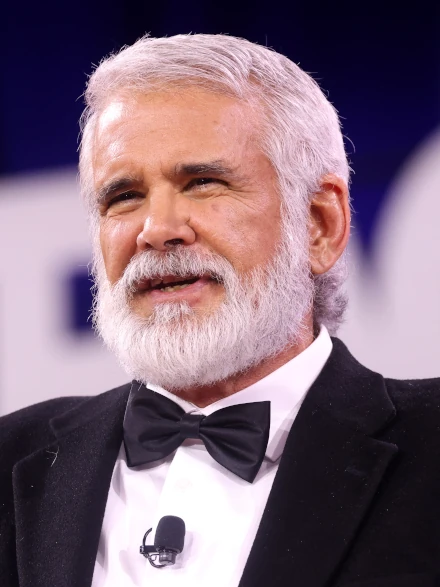
TL;DR Claim(s) to Fame
Robert Malone is not primarily a ufologist, but he appears in some UFO-adjacent lists because disclosure-era media ecosystems frequently cross-pollinate with broader alternative-public-sphere figures. In such contexts, Malone’s significance is not grounded in case investigation, technical analysis, or archival UFO research; rather, it stems from overlap in audiences and platforms where institutional distrust and “hidden truth” narratives circulate across topics.
Malone’s broader public profile is typically framed around controversial public-policy and media debates. This profile can lead to appearances within wide-ranging interview formats where UAP topics emerge alongside other “suppressed truth” themes.
He does not have a defined ufology career in the conventional sense. When he is present in ufology discourse, it is usually as a guest or referenced voice within broader conversations rather than as a researcher producing original UFO work.
Early relevance to ufology-adjacent circles is best described as audience overlap rather than direct engagement with UFO cases.
Prominence in UFO contexts, when present, is driven by the “network effect” of alternative media: guests from one domain become accepted authorities in adjacent domains through repeated platform appearances.
Later UFO-adjacent presence, if any, remains occasional and platform-driven rather than case-driven.
None in the classic ufology sense; Malone is not associated with a signature UFO case investigation.
Any UFO-related views attributed to Malone are typically incidental to broader themes of institutional trust and transparency, rather than a developed UFO theory.
In UFO contexts, criticism primarily concerns category error: treating a cross-topic media figure as a ufology authority. Supporters argue that mainstream gatekeeping across domains can suppress legitimate inquiry, making cross-domain discourse valuable.
Influence is indirect, via platform appearances and audience overlap rather than via ufology-specific scholarship.
Malone’s “legacy” in ufology lists is likely to remain adjacent and platform-defined rather than foundational to UFO research.