Introduction
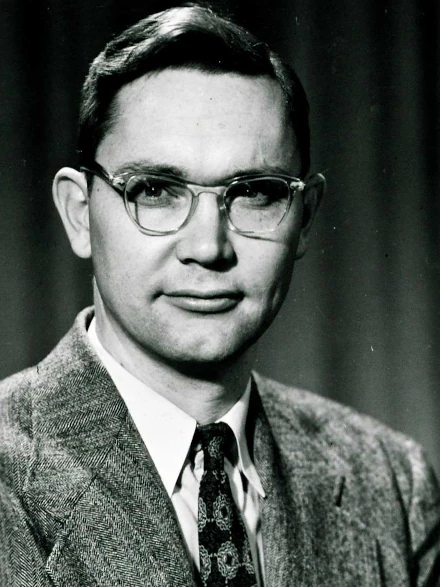
James E. McDonald (commonly referenced in ufology discussions as James E. McDonald) was an atmospheric physicist whose advocacy for serious UFO study made him one of the most prominent scientific voices in mid-20th-century UFO debates. He argued that while many reports were explainable, a significant residue—often involving credible witnesses such as pilots—remained unexplained and warranted methodical investigation. His work is often invoked in discussions about institutional stigma, the sociology of scientific dismissal, and the historical relationship between UFO reports and national-security concerns.
Background
McDonald’s scientific training and academic status positioned him as an unusual participant in ufology, a field often dominated by hobbyists and journalists. This status both strengthened his influence and intensified scrutiny: supporters treated him as proof that “real scientists” found UFOs compelling, while critics argued he overestimated the quality of the UFO dataset.
Ufology Career
McDonald’s ufology involvement focused on analysis and advocacy. He pushed for improved reporting standards, systematic investigation, and institutional openness. His posture was adversarial toward ridicule-based dismissal, emphasizing that stigma could prevent data collection and distort the historical record.
Early Work (1963-1966)
In early public engagement, McDonald began evaluating case catalogs and focusing on witness credibility and physical plausibility. He sought to differentiate weak reports from high-information cases and argued that existing investigatory mechanisms were inadequate.
Prominence (1967-1969)
McDonald’s prominence peaked amid major public controversy over official UFO evaluation. He became a visible critic of dismissive attitudes and argued that institutional conclusions did not match the complexity of the best cases. This period made him a key figure in the historical narrative of “scientific dissent” on UFOs.
Later Work (1970-1971
In later stages, McDonald remained committed to the position that UFOs were a legitimate scientific problem, but he faced increasing professional and personal pressures. His ufology legacy is inseparable from the broader story of how institutions treat controversial anomalies.
Major Contributions
- Scientific legitimacy argument: Asserted that UFOs should be investigated without ridicule or stigma.
- Residue emphasis: Advanced the idea that “explained majority” does not erase “unexplained minority.”
- Method critique: Challenged the adequacy of official investigatory practices and public conclusions.
Notable Cases
McDonald is associated with high-credibility case arguments rather than a single signature incident. He often emphasized pilot and military reports, multi-witness events, and cases where conventional explanations appeared strained.
Views and Hypotheses
McDonald generally treated UFOs as an unresolved observational problem. He did not require a single favored explanation to argue for investigation, but his posture implied that some cases might represent unknown technology or unknown natural phenomena.
Criticism and Controversies
Critics argue McDonald over-relied on imperfect witness testimony and that better access to atmospheric and astronomical context would dissolve many “mysteries.” Supporters argue that many debunkings are themselves speculative and that McDonald’s larger point—serious investigation is warranted—remains valid regardless of final interpretation.
Media and Influence
McDonald’s influence persists in documentaries and books about the history of UFO study, especially those highlighting scientific dissent and the politics of investigation. He remains a touchstone figure whenever UAP stigma in science is discussed.
Legacy
James E. McDonald’s legacy is that of a prominent scientific advocate who insisted that UFO reports deserved rigorous attention. Whether one agrees with his conclusions or not, he remains central to understanding how the UFO problem became entangled with scientific norms, public ridicule, and institutional credibility.