Introduction
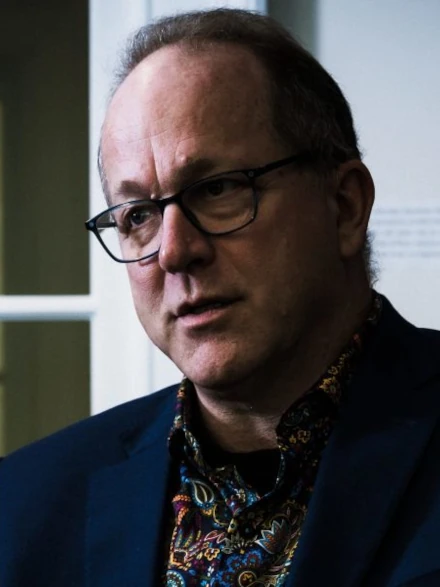
Jeffrey J. Kripal is a scholar of religion and public intellectual whose work has significantly shaped the academic and popular framing of UFOs, paranormal experiences, and “high strangeness.” Within ufology discourse, he is best known for treating UAP-related experiences as consequential cultural and experiential phenomena that demand interpretive seriousness even when their literal explanation remains uncertain.
Background
Kripal’s training and career in religious studies positioned him to analyze extraordinary experience as meaning-making: how visions, encounters, and anomalous events become stories, symbols, and communities. This background led him to treat UFO accounts not merely as errors or hoaxes but as modern forms of encounter narrative embedded in culture and psyche.
Ufology Career
Kripal’s ufology career is intellectual rather than investigative. He contributes frameworks, interpretive models, and historical comparisons rather than case files or instrument data. His influence is strongest among readers who want to understand why UAP experiences persist and what they “do” socially and psychologically.
Early Work (Year–Year)
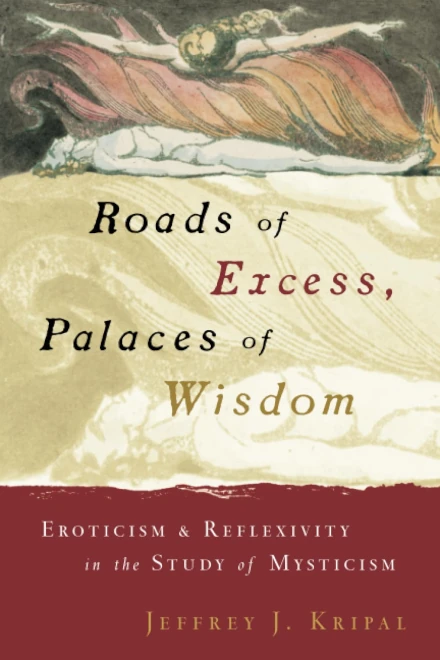
In early phases of his engagement with anomalous topics, Kripal focused on the borderlands between mysticism, sexuality, and modern spiritual narratives, developing the conceptual tools that later supported his engagement with UFOs and the paranormal.
Prominence (Year–Year)
Kripal’s prominence in ufology-adjacent discourse expanded as “disclosure-era” attention created demand for scholars who could contextualize experiencer testimony without reducing it to either pathology or proof of extraterrestrials. His work offered an academic permission structure for discussing taboo experiences in public.
Later Work (Year–Year)
Later work emphasizes integrated models of the paranormal: experiences as real in their effects and phenomenology, while the causal story may be complex, hybrid, or unknown. Through advisory roles such as Sol, he contributes to institutional attempts to combine humanities and science in UAP discourse.
Major Contributions
- Legitimized academic engagement with UFO and paranormal narratives as serious cultural data.
- Popularized interpretive frameworks that resist binary “believe vs debunk” dynamics.
- Provided a scholarly language connecting UAP experiences to myth, religion, media, and anomalous consciousness.
Notable Cases
Kripal is not defined by a single UFO case; instead, he treats the entire archive of abduction, contact, and paranormal testimony as the primary “case”—a cultural phenomenon requiring interpretation across decades and media forms.
Views and Hypotheses
He is associated with the argument that the paranormal is “real but not what we think”: experiences occur, leave marks, and shape lives, but literal explanations (ET craft, simple hallucination) can be inadequate. His approach leaves ontology open while insisting that meaning, pattern, and impact are undeniable.
Criticism and Controversies
Critics argue that interpretive openness can blur the line between scholarship and belief. Supporters argue that refusing to engage experiencer testimony is a failure of intellectual curiosity and that humanities methods are necessary to understand why UAP narratives persist and mutate.
Media and Influence
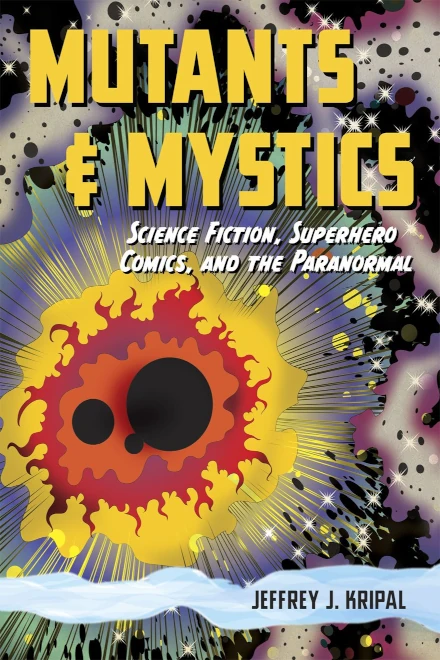
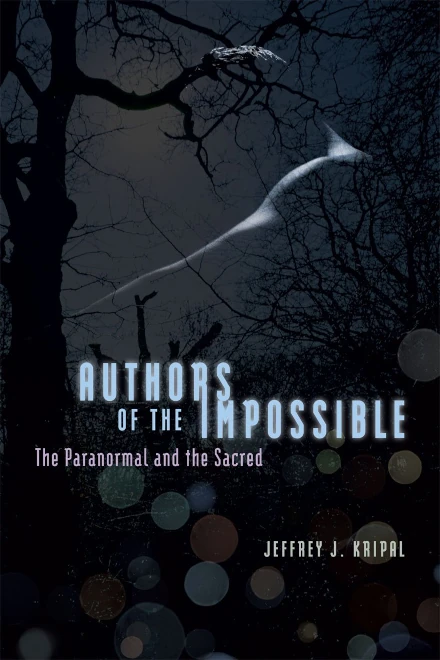
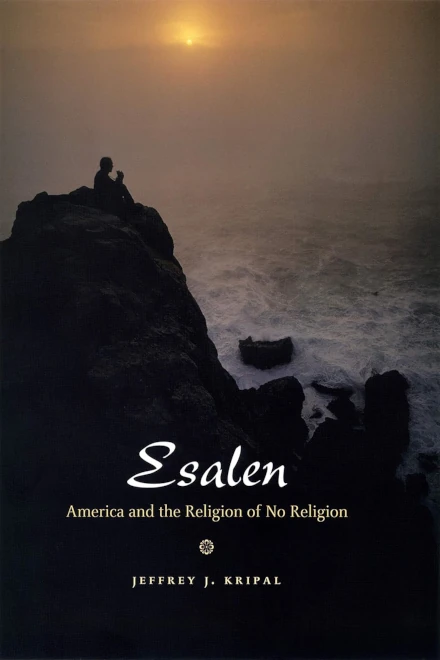
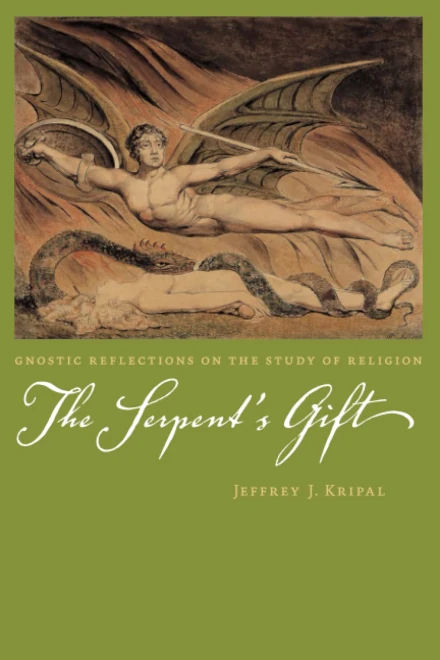
Kripal’s books and interviews made him a central humanities voice in UAP-adjacent media. He influences how audiences talk about “the phenomenon” by emphasizing complexity, symbolism, and the limits of reductive explanations.
Legacy
Kripal’s legacy in ufology is likely to be enduring as long as UAP experiences remain culturally salient. He helped establish a serious academic register for discussing high strangeness without collapsing into either ridicule or literalism.