




Introduction
To The Stars Academy of Arts & Science (TTSA) is a U.S.-based entertainment-and-technology company that became one of the most influential institutions of the late-2010s “UAP disclosure” era. Founded and publicly fronted by musician and producer Tom DeLonge, TTSA sought to combine pop-culture storytelling, national-security framing, and an aspirational research-and-development posture into a single organization. In ufology, TTSA is significant not only for specific claims but for its role in reshaping how UFOs were discussed: from niche subculture and tabloid framing toward a mainstream discourse emphasizing military encounters, oversight, and potential advanced technology.
Background
TTSA emerged during a period when UAP discussions were increasingly intersecting with public policy, online media ecosystems, and renewed interest in military witness testimony. The organization framed itself as an “academy” spanning three intertwined domains: (1) entertainment content designed to reach mass audiences, (2) informational/advocacy messaging intended to normalize serious discussion, and (3) technical ambitions suggesting the possibility of materials analysis and aerospace innovation. This hybrid identity made TTSA unusual in the UFO world, which traditionally consisted of independent researchers, small nonprofits, and media personalities rather than investor-facing corporate entities.
Ufology Career
In ufology terms, TTSA functioned as a platform and amplifier rather than a classic investigative group. Its primary method was to curate a roster of credentialed figures—former intelligence, defense, and aerospace personnel—who could communicate UAP seriousness in a language that resonated with mainstream audiences. TTSA’s influence came from scale: professional media distribution, coordinated messaging, and repeated emphasis on modern military encounter narratives as evidence that UAP was a present-tense issue rather than a purely historical mystery.
Early Work (2015–2017)
The organization’s pre-launch phase consisted of network-building, brand development, and the formation of a public-facing team. TTSA’s early posture emphasized that UAP secrecy was maintained by entrenched institutional dynamics and that disclosure required a coordinated strategy combining culture, policy pressure, and technical curiosity. The launch period introduced TTSA as a multi-division entity, positioning it as both a media studio and an aspirational science-and-technology organization.
Prominence (2017–2020)
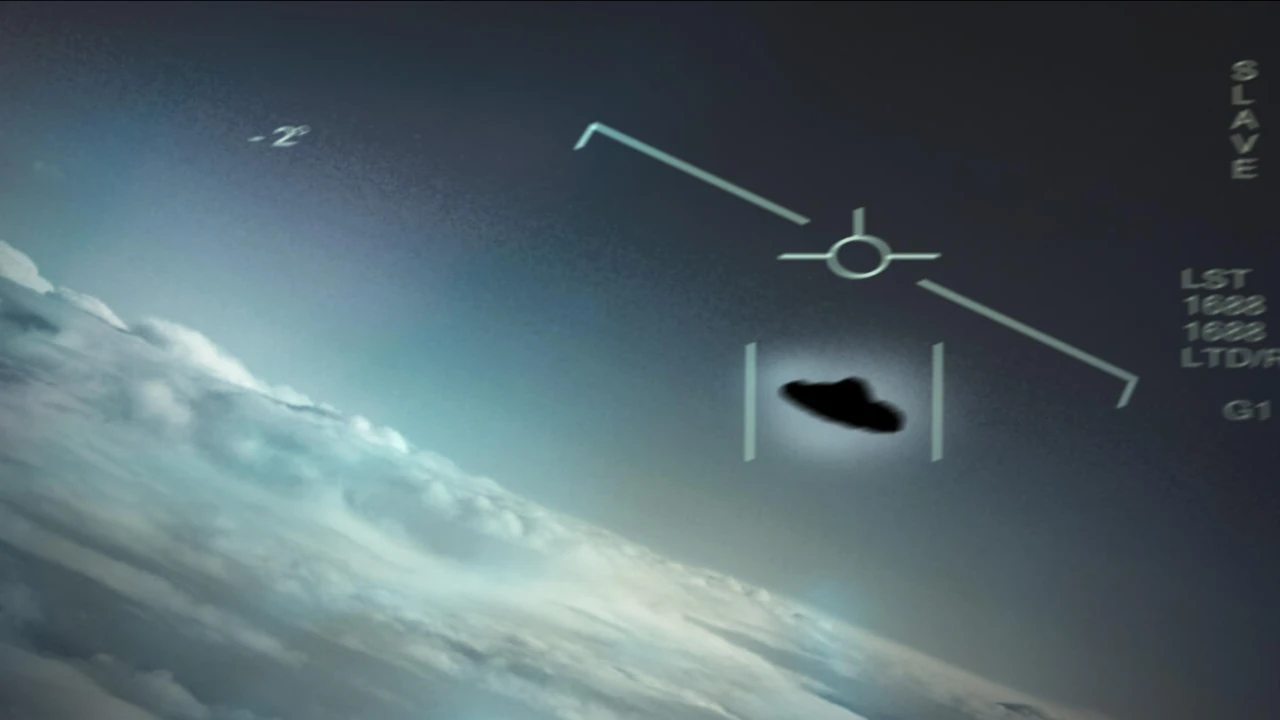
TTSA’s prominence peaked during the period when UAP entered mainstream news and “serious documentary” media formats. The organization and its associated figures emphasized U.S. Navy encounters, airspace incursions, and the need for improved reporting and oversight. TTSA’s entertainment output and allied media appearances helped establish a disclosure-era template: credentialed insiders, military visuals, episodic case narratives, and a disciplined tone implying institutional urgency. This period is widely viewed as one of the key inflection points in modern UAP culture, where the topic gained broader legitimacy and moved closer to policy discourse.
Later Work (2021–Present)
As the disclosure ecosystem matured, TTSA’s public-facing roster changed and the organization’s emphasis shifted. Public attention increasingly focused on deliverables—what TTSA could substantively demonstrate beyond media impact. In parallel, UAP discourse broadened to include new organizations, whistleblower narratives, congressional attention, and competing media brands. TTSA continued to exist as a recognizable label within this environment, but its role became more contested: some viewed it as a catalyst that successfully mainstreamed the topic; others saw it as a brand that overpromised on technical ambitions while thriving primarily as entertainment and advocacy.
Major Contributions
- Mainstreaming UAP via professional media: converting disclosure culture into high-production television and serialized storytelling formats.
- National-security reframing: emphasizing UAP as an air-safety, intelligence, and oversight problem rather than a purely speculative mystery.
- Institution-building: demonstrating that disclosure culture could be organized as a capitalized, investor-facing enterprise with formal governance.
Notable Cases
TTSA is most closely associated with the modern “Navy UAP” wave, which became the centerpiece of its public messaging. Rather than presenting itself as the discoverer of these incidents, TTSA functioned as an amplifier and interpreter, emphasizing the credibility of trained witnesses and the implication that unknown objects in sensitive airspace represent an unresolved problem. TTSA-related media repeatedly returned to the same cluster of military encounter narratives as emblematic examples.
Views and Hypotheses
TTSA’s institutional messaging typically treats UAP as real and consequential while leaving origin ambiguous. The organization has leaned into two broad interpretive tracks: (1) a national-security/oversight track focused on reporting systems, incursions, and institutional accountability, and (2) an “advanced technology” track suggesting that UAP reports may point toward extraordinary aerospace capabilities and potentially novel materials. TTSA’s hybrid identity allowed it to oscillate between these frames depending on audience and media format.
Criticism and Controversies
TTSA has been criticized on several fronts. Skeptics argue that it sometimes relied on implied authority rather than publicly testable evidence, and that entertainment packaging can blur the line between storytelling and substantiation. Critics also scrutinized fundraising narratives and questioned whether technical claims or research ambitions were matched by measurable outputs. Supporters counter that TTSA’s most important deliverable was cultural: changing the conversation, normalizing the topic, and encouraging oversight even when underlying data remained classified or difficult to access.
Media and Influence
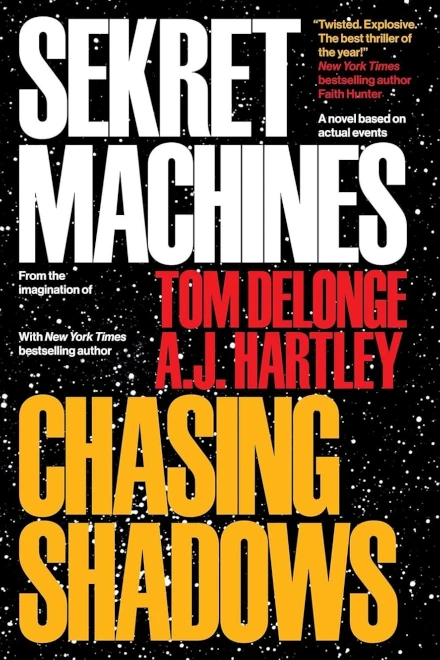
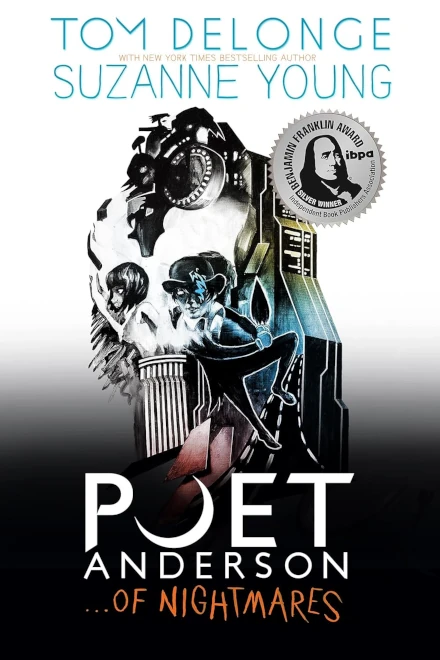
TTSA’s media influence is arguably its defining feature. It helped establish the modern disclosure aesthetic—serious tone, credentialed insiders, episodic “cases,” and national-security framing—and this template became dominant across UAP podcasts, documentary series, and social-media ecosystems. TTSA also demonstrated how UAP narratives could be integrated into transmedia franchises, reinforcing attention through books, interviews, shows, and branded platforms.
Legacy
TTSA is widely regarded as a pivotal organization of the post-2017 UAP era. Whether viewed as a genuine disclosure catalyst, a sophisticated media brand, or a controversial blend of both, TTSA helped reshape the public landscape of ufology. Its legacy lies in institutionalizing disclosure culture at scale—showing how UAP narratives could be marketed, professionalized, and sustained—and in intensifying debates about what “serious” UAP inquiry should require in terms of evidence, transparency, and scientific accountability.