Introduction
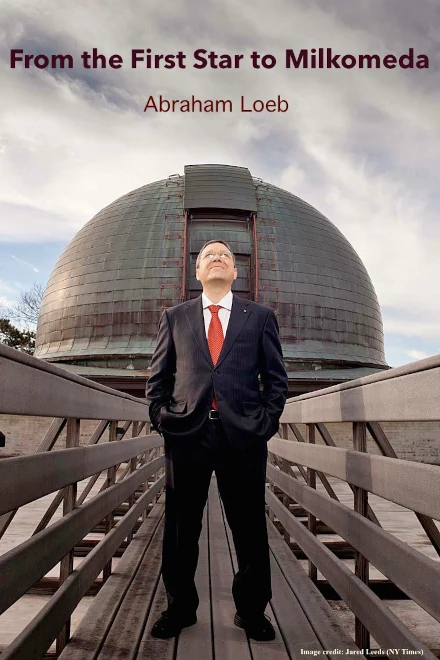
Avi Loeb is an astrophysicist whose public speculation about extraterrestrial technology—especially the interstellar object ‘Oumuamua—made him one of the most prominent mainstream scientists discussed in ufology-adjacent circles. Though not a traditional UFO investigator, he profoundly influenced modern UAP discourse by treating the possibility of nonhuman artifacts as a legitimate scientific hypothesis worthy of investigation.
Background
Loeb’s standing in the scientific world arises from conventional academic achievements in astrophysics. His ufology relevance emerged when he extended technosignature reasoning into high-profile public claims, emphasizing that extraordinary possibilities should be considered if they can be tested against data.
Ufology Career
Loeb’s role in ufology is best described as “scientific adjacent”: he engages questions that overlap UAP and SETI without operating within classic UFO field-investigation traditions. His work functions as an intellectual bridge between the UFO world and mainstream astronomical discourse.
Early Work (Year–Year)
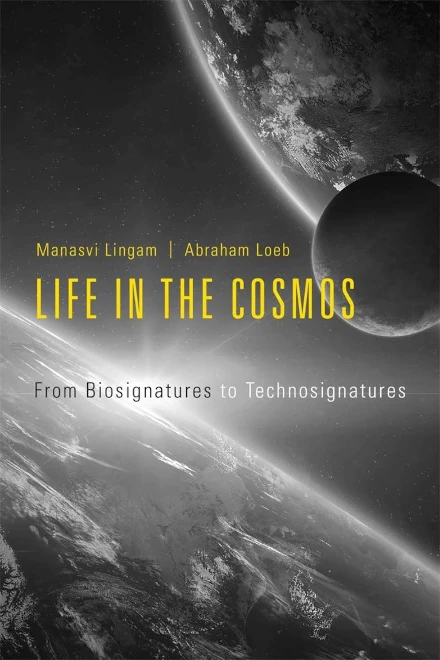
Loeb’s early contributions relevant to ufology involve technosignature logic: searching for signs of intelligent life through astronomical anomalies rather than through witness testimony. This approach laid groundwork for his later controversial interpretations.
Prominence (Year–Year)
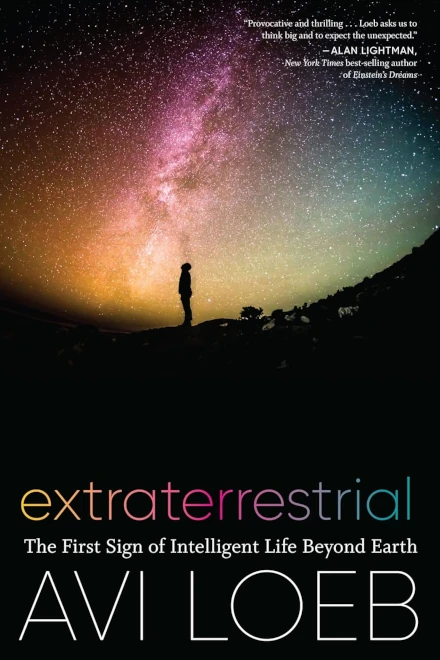
Prominence peaked as ‘Oumuamua discussions entered public consciousness and as Loeb published popular books arguing that scientists should not dismiss the possibility of artificial origin. This made him a magnet for both mainstream attention and UAP community enthusiasm.
Later Work (Year–Year)
Later work includes ongoing advocacy for systematic searches for anomalous objects and potential technological artifacts. His visibility expanded through interviews, books, and participation in legitimacy-oriented venues where UAP and technosignatures are discussed as serious research frontiers.
Major Contributions
- Mainstreamed public discussion of “technosignatures” in relation to anomalous interstellar objects.
- Encouraged instrument-first approaches: build sensors, collect data, and let hypotheses compete.
- Shifted UAP-adjacent conversation toward testable scientific questions rather than purely testimonial debate.
Notable Cases
Loeb is most closely associated with ‘Oumuamua as a “case study” for technosignature speculation. In ufology reception, this case functions as an exemplar of how an astronomical anomaly can become a cultural flashpoint about extraterrestrial technology.
Views and Hypotheses
Loeb is known for a methodological stance: keep extraordinary hypotheses on the table if they can be evaluated against evidence. He argues that scientific conservatism can become a bias that prematurely dismisses possibilities, while also emphasizing that speculation should motivate better measurement.
Criticism and Controversies
Critics accuse Loeb of over-selling weak inference and leveraging media attention. Supporters argue he is expanding the domain of legitimate inquiry and that debate is healthy when hypotheses remain tethered to observable predictions.
Media and Influence
Loeb’s books and prolific interviews made him a defining voice for audiences interested in “credible” extraterrestrial possibilities. He is influential in shaping how non-specialists understand the boundary between speculation, evidence, and institutional scientific caution.
Legacy
Loeb’s legacy will likely hinge on whether the broader technosignature agenda yields compelling detections and whether his approach becomes a normalized part of scientific culture rather than an outlier posture. In ufology history, he stands as a rare example of a mainstream scientist whose work became central to UAP-adjacent debate.