Introduction
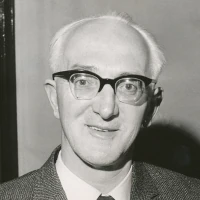
W. Raymond Drake is best known as an author in the ancient-astronaut/paleo-contact tradition, arguing that myths and religious narratives preserve traces of extraterrestrial visitation. In ufology-adjacent history he represents the prolific “regional survey” style: book after book applying the same hypothesis across different civilizations.
Background
Drake’s work reflects a mid-century hunger for synthesis—taking archaeology, comparative religion, and popular science and assembling a grand narrative of contact. His books typically emphasize continuity: recurring motifs, similar “sky gods,” and technological interpretations of ancient descriptions.
Ufology career
Drake’s influence comes through publishing rather than investigation. His texts helped keep ancient-astronaut speculation in circulation beyond a single blockbuster author, providing readers with many region-specific entry points.
Early work (Year–Year)
1970s: Major publishing period for his best-known titles, often marketed to readers already primed by the broader ancient-astronaut boom.
Prominence (Year–Year)
1970s–1990s: His books remained part of the “ancient aliens bookshelf,” cited and reprinted across markets interested in mystery history and UFO interpretations of religion.
Later work (Year–Year)
Later legacy is primarily bibliographic—his titles still circulate among collectors and readers of classic ancient-astronaut literature.
Major contributions
Drake contributed volume and scope: repeated application of paleo-contact claims across the ancient world, reinforcing the idea that “similar myths everywhere” indicates a shared external cause.
Notable cases
Not modern cases; instead, Drake treats ancient narratives as his primary evidence base—temple iconography, legends, and “sky beings” motifs.
Views and hypotheses
Core hypothesis: extraterrestrials interacted with early humans, shaping religion and culture; myths record misunderstood technology, flight, and instruction.
Criticism and controversies (if notable)
Critics argue the approach overfits patterns and ignores mainstream historical explanations, often discounting cultural diffusion, symbolism, and independent invention.
Media and influence
Drake’s influence is book-driven and long-tail: his titles persist as part of the historical lineage feeding modern “ancient aliens” entertainment.
Selected works
Gods and Spacemen in the Ancient East; Gods and Spacemen in Greece and Rome; Gods and Spacemen in Egypt and the Middle East; Gods and Spacemen from the Sky; plus additional volumes.
Legacy
Drake remains a classic “catalog author” of paleo-contact literature—less famous than the biggest names but significant for scale and persistence of the genre.