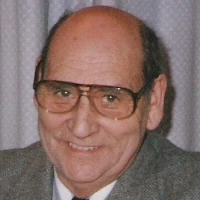
Tony Cornell is known for long-term work in psychical research and for writing about how paranormal investigations can be conducted and documented. While not a UFO specialist, his methods and casework culture overlap with ufology’s ongoing debates about evidence, field practice, and investigator bias.
Cornell’s standing comes from sustained involvement in psychical research organizations and a reputation for careful case handling.
His ufology relevance is methodological: he contributes to the broader toolkit of anomaly investigation.
Early influence came from fieldwork traditions and building archives of cases in a pre-internet era where documentation habits mattered.
He became prominent among serious investigators and readers who prefer field-method instruction rather than sensational storytelling.
Later mentions often emphasize his archives and the idea that long-term case files are a resource in themselves.
His main contribution is practical: emphasizing structured interviewing, careful recording, and resisting premature conclusions—skills that UFO researchers frequently struggle to standardize.
Cornell is associated with extensive case files across psychical research domains rather than a single defining incident.
His work tends to emphasize investigation discipline and cautious interpretation.
As with many paranormal investigators, critics question whether the underlying phenomena are real; supporters value the seriousness and archival mindset.
Influence comes through investigator training, citations, and the example of long-term documentation practice.
Investigating the Paranormal.
Cornell’s legacy is as a method-and-archives figure: someone whose work encourages “do the paperwork” rigor that anomaly fields often lack.
me@robertfrancisjr.com
Copyright 2026