An Encyclopedia and Go to Source for All Things UAP

UAP Personalities

Bell, Art

Bell, Art

TL;DR Claim(s) to Fame

  • Founder and original host of Coast to Coast AM, the most iconic overnight paranormal/UFO talk-radio franchise in North America.
  • Popularized the “open lines” call-in format where UFO witnesses and experiencers could speak directly to a mass audience.
  • Created/hosted Dreamland, a companion show focused on UFOs, consciousness, and high-strangeness themes.
  • Built a lasting media template—long-form, suspenseful, caller-driven—that still defines much of modern UFO podcast culture.

Introduction

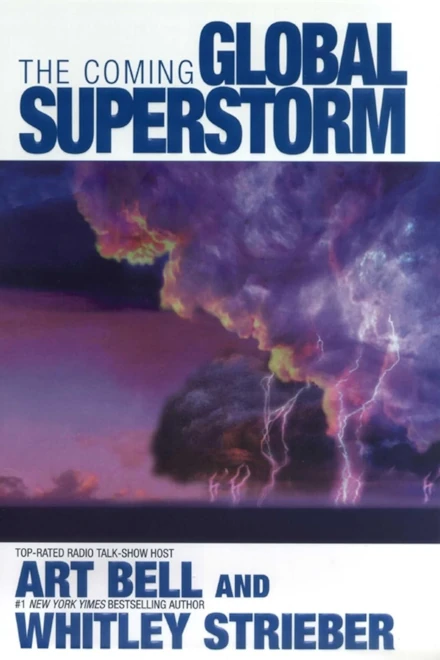
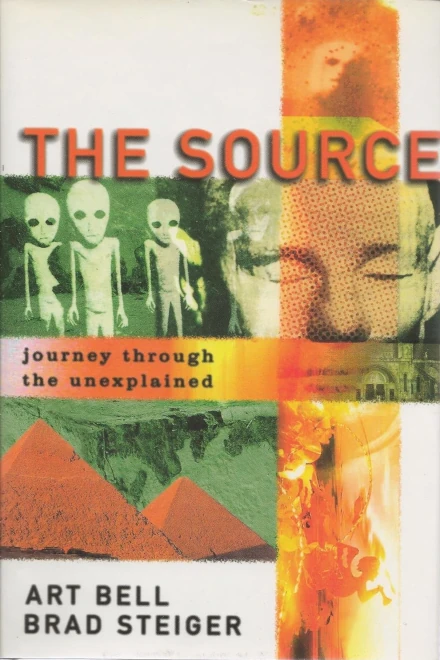
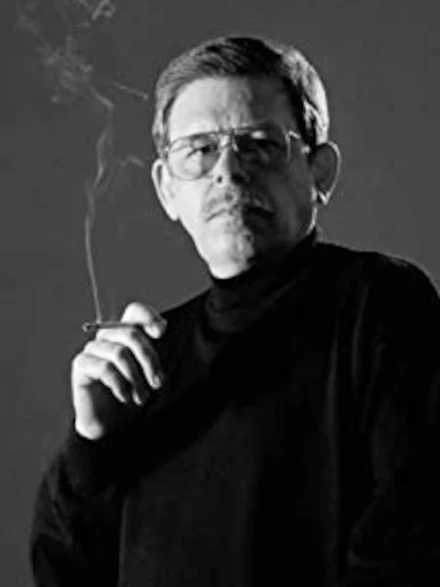
Art Bell (Arthur William Bell III, 1945–2018) was an American broadcaster and author who became the defining voice of late-night paranormal talk radio through the creation and original hosting of Coast to Coast AM. Bell’s cultural importance to ufology is difficult to overstate: he served as an “audience gateway” through which millions encountered UFO witness testimony, government-conspiracy narratives, remote viewing, cryptids, poltergeists, and speculative science—often for the first time. Bell did not position himself as a laboratory scientist or a conventional investigative ufologist; his influence came from a different power: the ability to curate a nightly theater of the unknown that treated experiencers seriously, maintained a tension between skepticism and wonder, and made the paranormal feel socially discussable.

Background

Bell developed an early fascination with radio and later built a life in the American Southwest that fed the mythology of his persona: a solitary broadcaster “in the desert,” transmitting to the continent while the rest of the world slept. That setting—both literal and symbolic—became part of his brand. The intimacy of his voice, the quiet hours, the long pauses, and the sense of “hidden truth after midnight” gave his programs a mood unlike conventional daytime talk. Even listeners who did not believe the claims often kept listening because the show operated as an improvised folklore engine: a place where modern myths were spoken into existence in real time.

Ufology Career

Bell’s “ufology career” is best understood as a media institution rather than a case-file portfolio. By providing a national platform to UFO witnesses, researchers, and controversial insiders, he altered ufology’s public visibility and created a feedback loop: sightings and narratives reported on his show often reverberated into local communities, new research groups, and later documentaries. Bell’s approach combined entertainment instincts with a genuine curiosity about the possibility of hidden realities. He rarely presented himself as the final authority; instead, he acted as an atmosphere-builder and cross-examiner—asking enough skeptical questions to keep the conversation grounded while leaving room for the uncanny.

Early Work (1970–1988)

Before his signature paranormal era, Bell worked in conventional radio roles and developed the technical and performative skills that later became his hallmark: pacing, tone, live-call management, and the ability to keep a long segment coherent with minimal structure. These years were formative in building the broadcaster’s toolkit that would later be applied to UFO and high-strangeness topics.

Prominence (1989–2002)

Bell’s defining prominence began when he developed what became Coast to Coast AM, growing it into a syndicated phenomenon. This era established the canonical “Art Bell format”: long-form interviews with a rotating cast of ufologists, scientists, mystics, whistleblowers, and authors; periodic theme nights; and the famous call-in segments that made the audience a co-author of the show’s mythology. In ufology terms, this period helped consolidate a late-20th-century “UFO media canon”—a set of recurring cases, personalities, and interpretive frames that were repeatedly introduced to new listeners at massive scale.

Later Work (2003–present

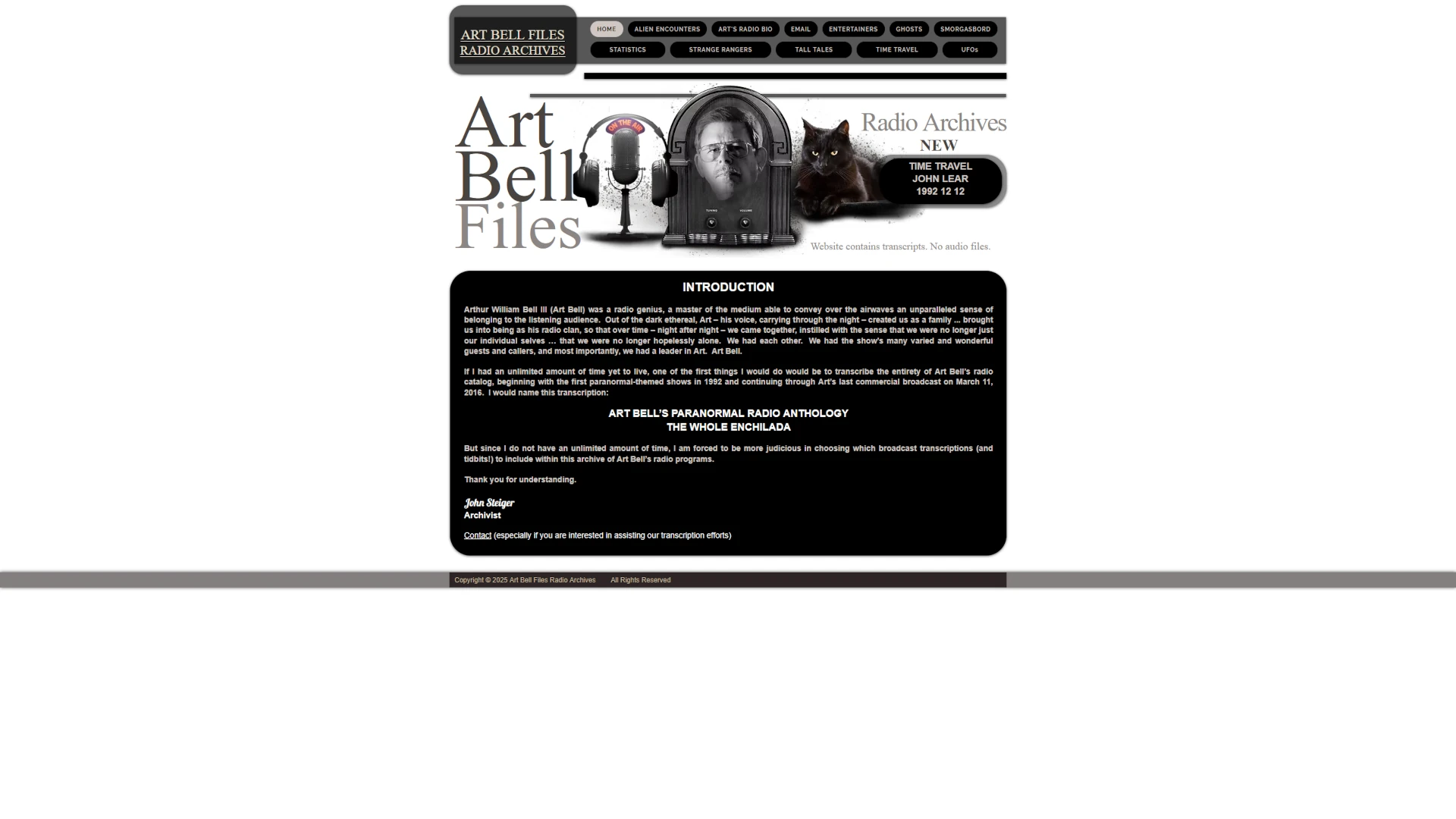
After stepping back from regular hosting duties, Bell remained an enduring reference point—his older broadcasts were re-aired, archived, and endlessly re-shared. He continued to return for special events and later launched the podcast-era project Midnight in the Desert, signaling his awareness that the audience for “night radio” had migrated into on-demand formats. Even after his death, Bell’s work persists as a living archive: a formative “source layer” for modern UFO podcasting, where many current hosts model their tone, pacing, and interview style on his template.

Major Contributions

  • Mass platforming of UFO witness culture: normalized direct-to-audience testimony in a way that shaped public expectations of UFO discourse.
  • The modern overnight paranormal format: created a durable radio blueprint—long-form, suspense-driven, caller-powered—that migrated into podcast culture.
  • Canon formation: helped define which UFO cases, personalities, and theories became “standard references” for mainstream-curious audiences.

Notable Cases

Bell is associated less with one singular “case” than with repeated, high-impact episodes and recurring guest ecosystems. His show became a staging ground for major waves of UFO narrative: Area 51/black project lore, abduction accounts, crop circles, remote viewing crossover, and “disclosure” speculation long before the modern UAP policy era. Many listeners remember specific nights as personal “first-contact” events with UFO culture—an effect that made Bell’s broadcast history function like a distributed case archive.

Views and Hypotheses

Bell’s on-air posture was a strategic blend of curiosity, humor, and controlled skepticism. He rarely demanded strict proof in the manner of academic inquiry, but he also avoided presenting himself as a zealot. His working hypothesis—expressed more through vibe than manifesto—was that the world contains unresolved mysteries, that institutions frequently conceal information, and that ordinary people sometimes experience events that defy their own worldview. Bell treated those reports as culturally and psychologically significant regardless of whether they were literally true, which is part of why his audience ranged from hard believers to amused skeptics.

Criticism and Controversies

Bell’s influence attracted predictable criticism: skeptics argued his platform elevated unreliable claims, blurred entertainment with evidence, and helped conspiracy narratives spread. Others countered that the show’s value lay precisely in providing a public forum where taboo experiences could be spoken aloud—where witnesses felt heard and where audiences could observe how extraordinary claims sound when questioned live. The tension between “platform as storytelling” and “platform as truth-finding” is the central controversy of Bell’s legacy, and it mirrors the broader conflict inside ufology itself.

Media and Influence

Bell’s influence extends far beyond radio nostalgia. Modern UFO podcasting—its tones, its episode structures, its “campfire confession” vibe, even the idea that late-night is the correct emotional hour for the uncanny—owes a direct debt to his methods. He also shaped the guest economy of ufology by giving many researchers their largest audiences. In effect, Bell helped professionalize the “UFO media personality” role decades before social platforms made it ubiquitous.

Legacy

Art Bell’s legacy is that of a cultural transmitter. He did not prove UFOs, but he permanently changed how UFOs are talked about, who gets to speak, and how large audiences emotionally process the unknown. In the history of American ufology, he stands as the quintessential late-night gatekeeper: a broadcaster who turned paranormal discourse into a nightly ritual, leaving behind an archive that continues to seed belief, skepticism, curiosity, and modern mythmaking.

Bell, Art

robert.francis.jr 1 Comment(s)
This is a topic for discussing Art Bell to improve his Article and add any missing interviews, podcasts and documentaries in the Media section.
Quote