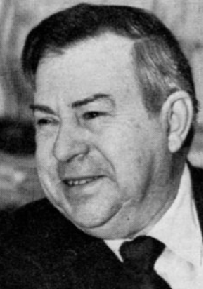
TL;DR Claim(s) to Fame
Robert Baker was a psychologist often referenced in UFO/abduction discourse for applying sleep, perception, and memory concepts to extraordinary experiences.
He worked in psychology and approached unusual reports with an emphasis on how human perception and recall can be shaped by context.
Baker’s role is primarily interpretive and critical: examining why certain narratives feel compelling and how experiences can be misread as external events.
1970s–1980s: Became visible in public discussions where psychology intersected with paranormal and UFO claims.
1980s–1990s: Frequently cited around abduction narratives, sleep paralysis, suggestion, and the reliability of hypnosis.
2000s onward: Continued to be referenced as a “human factors” counterpoint to literal abduction interpretations.
Helped mainstream the idea that extraordinary experiences can be real to the experiencer while still having psychological explanations.
Associated with abduction-report debates generally rather than a single flagship case.
Stressed that memory, expectation, and altered states can generate vivid narratives without requiring a literal external cause.
Criticized by some experiencers and advocates for “explaining away” reports; supported by skeptics for demanding stronger evidence.
Influential as a skeptical-method voice in a field often driven by testimony and interpretation.
Commonly cited through interviews, articles, and references in abduction-psychology discussions.
Remembered as a psychology-based critic who pushed ufology-adjacent audiences toward methodological caution.