Introduction
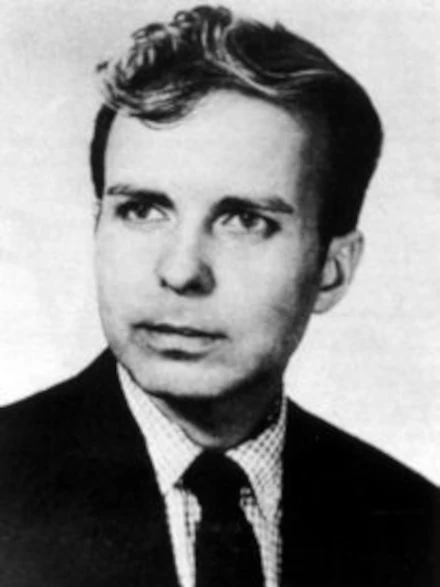
George Hunt Williamson was a prominent contactee-era UFO author whose writings helped build the “Space Brothers” mythology of the 1950s. His work sits at the intersection of ufology, esotericism, and new religious movements, presenting UFO contact as both an informational event and a spiritual intervention aimed at human evolution.
Background
Williamson’s worldview blended occult and metaphysical currents with the era’s fascination with rockets and cosmic neighbors. In contactee culture, credibility was often established through the coherence of a message and the charisma of the messenger rather than through forensic evidence.
Ufology Career
Williamson’s ufology career was literary and ideological: books, lectures, and claims of communication. He contributed to the early UFO movement’s spiritual branch, where extraterrestrials were framed as morally advanced guardians offering warnings about war and urging ethical transformation.
Early Work (Year-Year)
Early activity rose during the early 1950s contactee wave, producing texts that quickly circulated among UFO clubs and metaphysical communities.
Prominence (Year-Year)
Peak prominence occurred in the mid-1950s as contactee literature became a national phenomenon. Williamson’s books served as “scripture-like” sources for adherents and as skepticism targets for investigators demanding evidence.
Later Work (Year-Year
Later life influence persisted through reprints and the continued recycling of contactee motifs in New Age UFO culture. Even as ufology shifted toward abductions and secrecy narratives, contactee cosmologies remained a recurring alternative tradition.
Major Contributions
- Helped codify “Space Brothers” contactee mythology and its moral-prophetic messaging.
- Linked UFO belief to occult/New Age currents, influencing later disclosure spirituality.
- Provided enduring narrative templates still reused in channeling and benevolent-ET subcultures.
Notable Cases
Williamson is primarily defined by claimed communications and associated “contact narratives” rather than a single isolated sighting case.
Views and Hypotheses
Core framing: benevolent extraterrestrial intelligences communicate guidance and warnings; humanity is at a crossroads; spiritual/ethical development is central to contact.
Criticism and Controversies
Critics argue contactee narratives are unfalsifiable and frequently mirror contemporary hopes and anxieties. Skeptics see a pattern of mythmaking and community reinforcement. Believers treat early timing and narrative richness as evidence of authenticity.
Media and Influence
Influence is primarily bibliographic and subcultural: Williamson’s ideas echo through later New Age UFO movements, channeling narratives, and disclosure spirituality communities.
Legacy
Williamson remains a core architect of the UFO-as-spiritual-revelation tradition—one of the foundational voices of contactee-era cosmology.