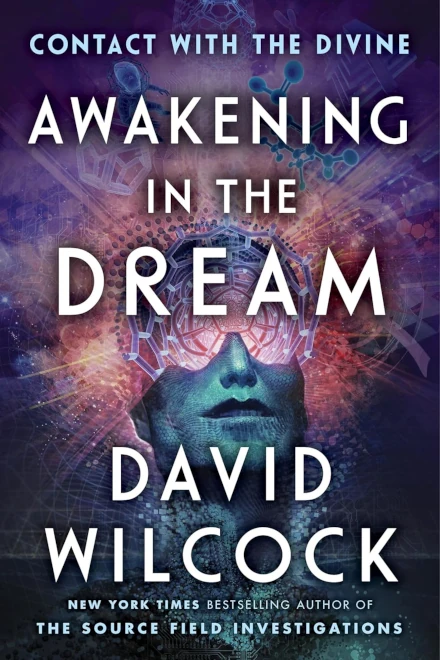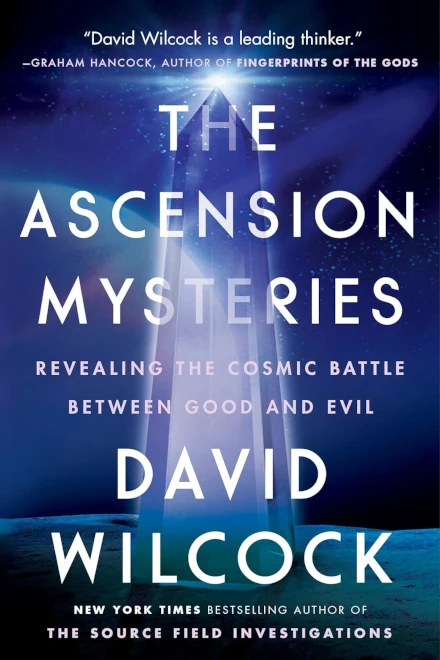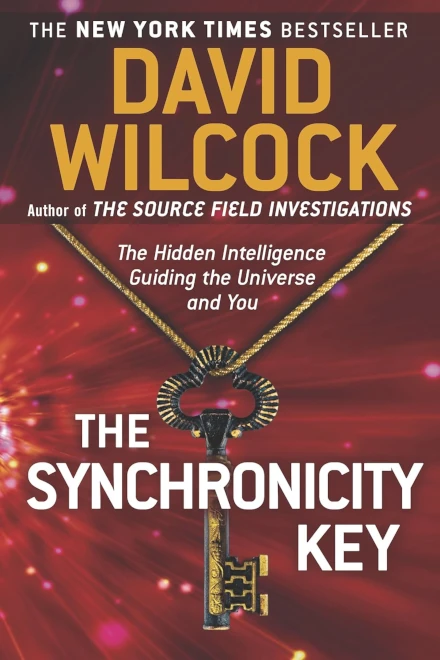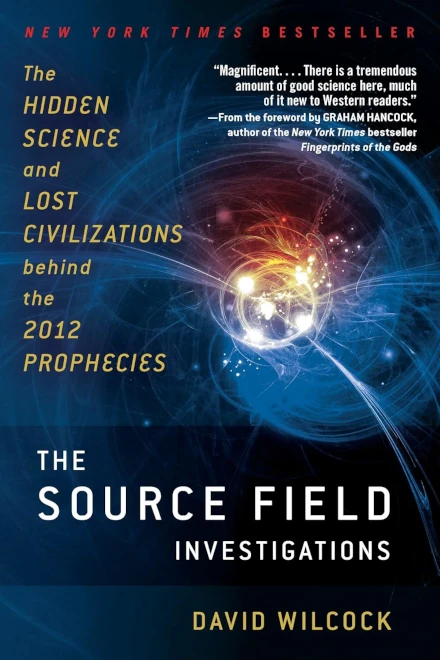
Introduction
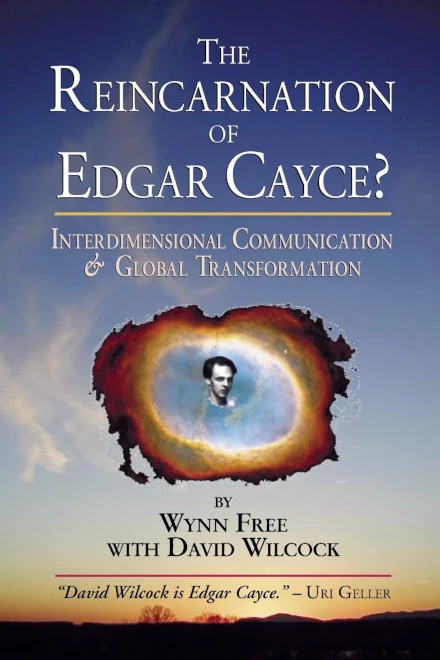
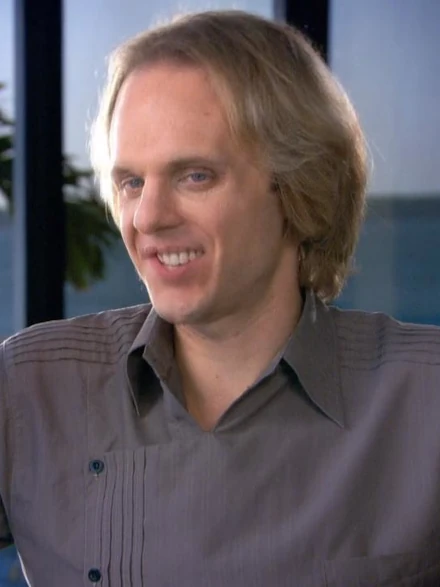
David Wilcock is an American New Age author and media personality whose UFO relevance comes from “cosmic disclosure” culture: a hybrid of extraterrestrial narratives, spiritual metaphysics, and conspiratorial claims about hidden institutions. His work sits far from classical case-file ufology and instead operates as a synthesis of prophecy, channeling-adjacent motifs, and alternative history.
Background
Wilcock’s public identity is shaped by the New Age lecture circuit and the internet era’s long-form influence economy. He presents an interpretive worldview in which UFOs are embedded in civilizational destiny, consciousness evolution, and secret governance.
Ufology Career
Wilcock’s “ufology career” is primarily that of a theorist and storyteller, amplifying disclosure-era narratives rather than investigating sightings. He is part of a broader ecosystem where audiences seek meaning, transformation, and hidden-order explanations more than narrow evidentiary debates.
Early Work (Year-Year)
Early prominence developed through alternative media and conference appearances, establishing a recurring set of claims and thematic motifs.
Prominence (Year-Year)
Peak prominence aligns with the expansion of internet video platforms and “disclosure” branding, allowing Wilcock to reach global audiences with serialized content and evolving story arcs.
Later Work (Year-Year
Later work continues as a media-driven presence, with narratives adapting to new disclosure news cycles, insider-claim trends, and shifting online audience interests.
Major Contributions
- Helped popularize “cosmic disclosure” as a mass-audience genre blending UFOs with spirituality and conspiracy.
- Expanded the UFO conversation into metaphysical frameworks for large New Age audiences.
- Demonstrated the internet-era model of serialized ufology storytelling as a community identity system.
Notable Cases
Not case-centered; Wilcock’s notoriety comes from theory clusters and narrative claims rather than signature investigated incidents.
Views and Hypotheses
Core hypothesis framing: extraterrestrial realities and hidden programs are intertwined with consciousness evolution and a coming civilizational shift. Claims often rely on “insider” narratives, metaphysical reasoning, and alternative interpretations of history and science.
Criticism and Controversies
Critics argue Wilcock’s claims are largely unfalsifiable, frequently revised, and dependent on speculative sources. Skeptics view the genre as mythmaking optimized for attention and monetization. Supporters argue the value lies in synthesis, meaning-making, and challenging official narratives.
Media and Influence
Wilcock’s influence is primarily digital: long-form lectures, interviews, and community-centric platforms where audiences treat disclosure content as ongoing episodic revelation.
Legacy
Wilcock’s legacy is the normalization of “UFOs as spiritual-political grand narrative,” a style that remains highly influential in online disclosure culture.