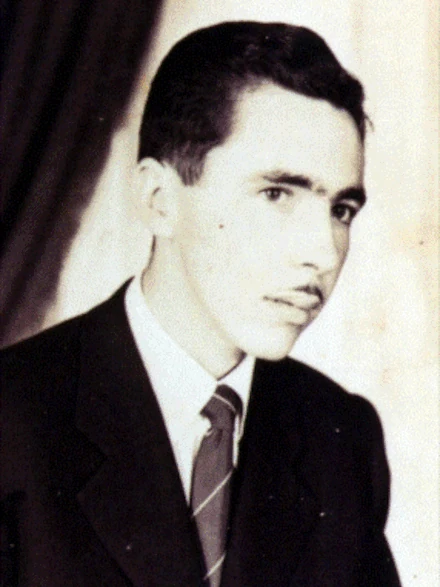
Introduction
Antônio Vilas-Boas was a Brazilian farmer (later a lawyer) whose 1957 account of abduction by extraterrestrials became one of the earliest widely discussed abduction narratives. The case is historically significant because it appears before the abduction concept became a mass-media genre; as a result, it is often used to argue either for authenticity (early emergence) or for cultural borrowing (from earlier contactee motifs).
Background
The account is typically framed as an experience occurring during nocturnal farm work, when Vilas-Boas described a luminous craft descending and entities interacting with him. The social context—rural Brazil, postwar UFO fascination, limited mass standardization of abduction “scripts”—is a central reason the case remains influential.
Ufology Career
Vilas-Boas was not a ufologist; his relevance is as an experiencer whose testimony became a case cornerstone. The case is frequently used in ufology to illustrate the transition from “contactee” narratives (messages and friendly contacts) to “abduction” narratives (coercion, procedures, and trauma-like aftereffects).
Early Work (Year–Year)
1957–1958: Initial claim and early interviews. The early documentation phase became crucial: later writers repeatedly return to what was said first, what was added later, and what might have been influenced by subsequent UFO publications.
Prominence (Year–Year)
1960s–1990s: International retellings elevated the case into a canonical “early abduction.” As abduction literature expanded, Vilas-Boas was positioned as an origin story: an early appearance of motifs that later became common.
Later Work (Year–Year)
2000s–present: The case persists as a debate object. Believers emphasize consistency and early timing; skeptics emphasize narrative parallels to prior contactee lore and the difficulty of verifying extraordinary claims decades later.
Major Contributions
- Proto-abduction template: Established a narrative structure later repeated in many reports.
- Cross-cultural evidence point: Frequently cited to argue abduction stories are not purely US/English cultural products.
- Debate anchor: Used as a primary example in disputes over authenticity vs cultural scripting.
Notable Cases
The 1957 abduction report is the notable case. Its details—craft description, entity behavior, medical/physical elements, missing time—are repeatedly analyzed for internal consistency and for parallels with later abduction reports.
Views and Hypotheses
Vilas-Boas is generally portrayed as maintaining the account as genuine. Ufologists may frame it as early evidence of a long-running abduction program; skeptics often propose hoaxing, dream-state confusion, cultural borrowing, or later embellishment.
Criticism and Controversies
The case’s primary controversy is epistemic: there is no decisive physical evidence that forces closure. The sexual-encounter element also made the account sensational, increasing both attention and skepticism. The case is thus central to the broader controversy of abduction research: how to evaluate extraordinary testimony without experimental verification.
Media and Influence
The Vilas-Boas story appears in innumerable books, documentaries, and “abduction history” timelines. It shaped public expectations of what an abduction story “looks like,” influencing later witness interpretations and the genre’s recurring motifs.
Legacy
Antônio Vilas-Boas remains a foundational figure in abduction lore—not because of institutional ufology work, but because his single account helped define the narrative architecture of modern alien-abduction culture.