Introduction
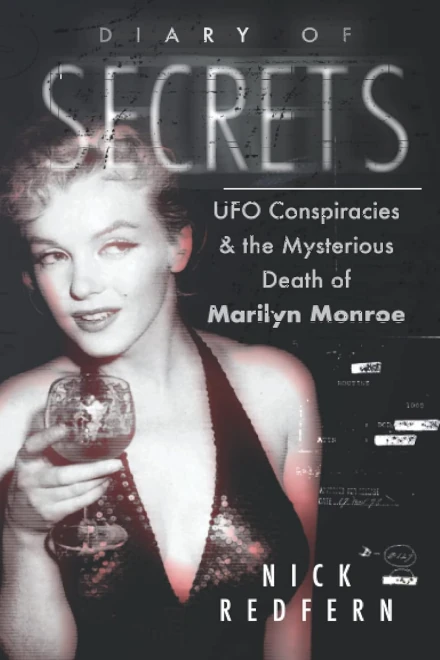
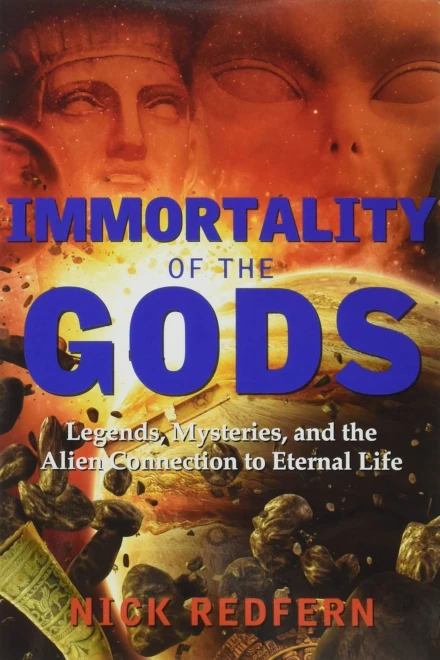
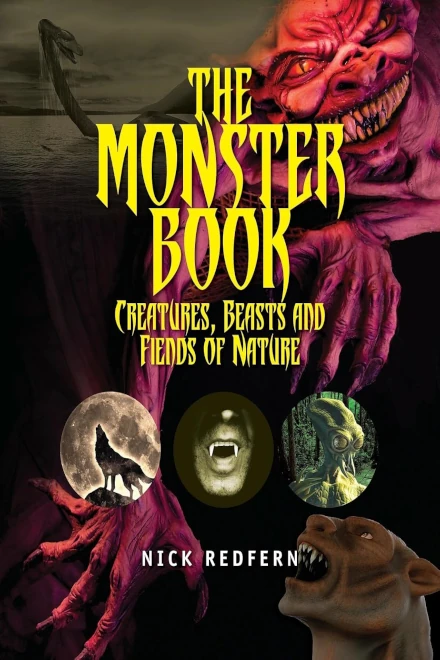
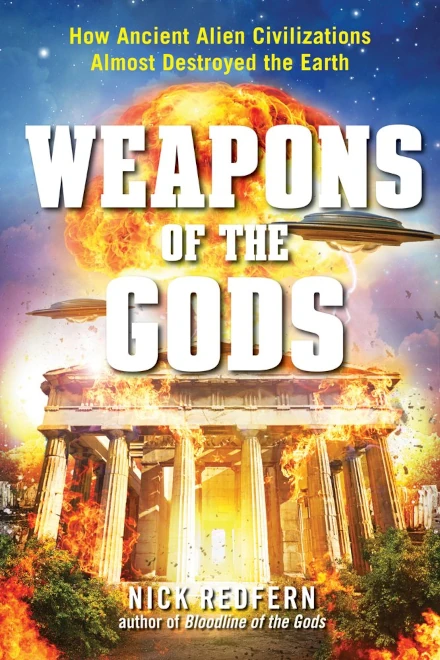
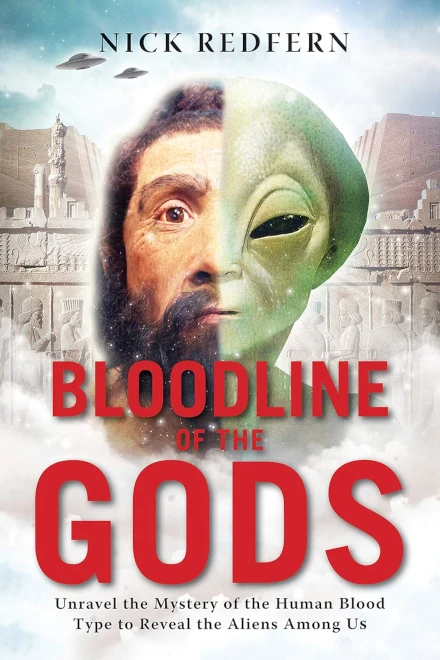
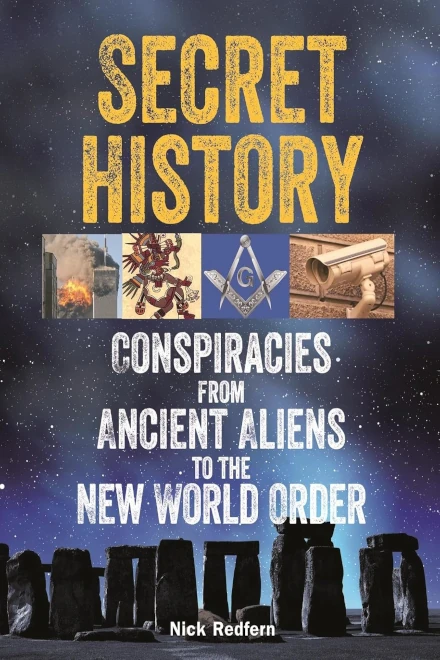
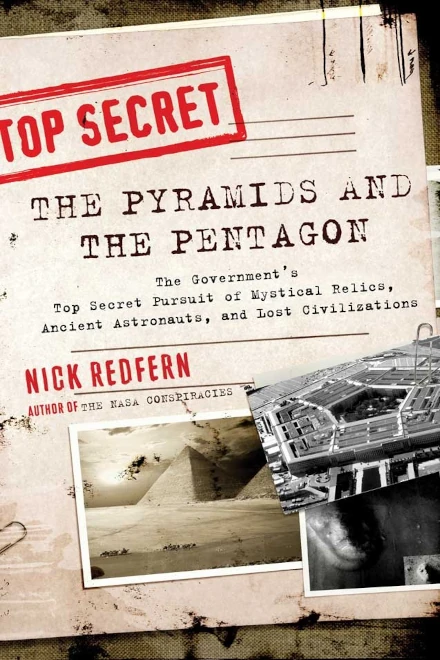
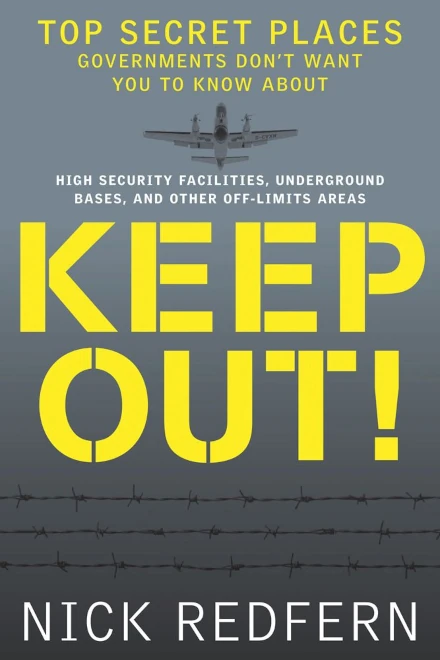
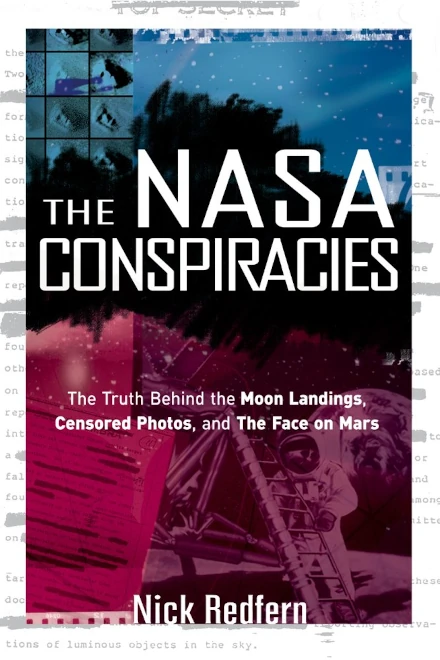
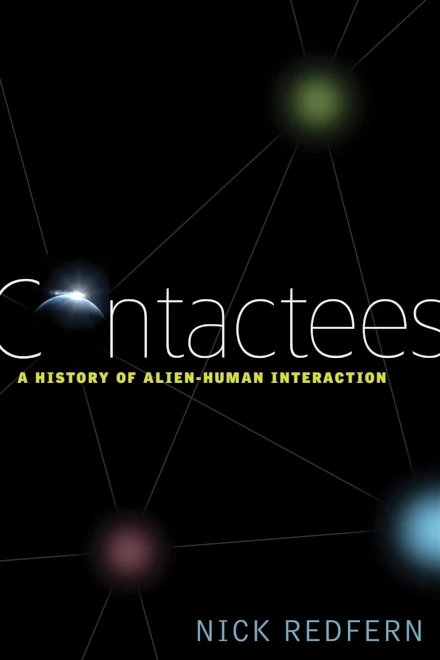
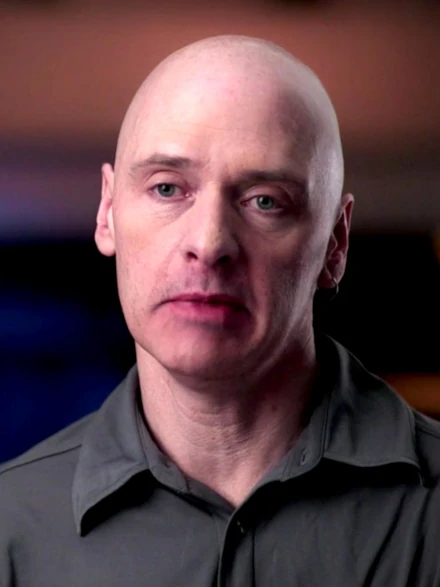
Nick Redfern is a British author and journalist whose work sits at the intersection of ufology, conspiracy culture, and Forteana. He is best known for an expansive bibliography that treats UFOs not merely as aviation mysteries but as a gateway topic connected to intelligence agencies, folklore, psychological operations, religious motifs, and occult traditions. In modern ufology, Redfern occupies the role of prolific synthesizer—assembling disparate strands into narrative structures that are compelling to readers even when critics dispute the evidentiary strength.
Background
Redfern’s background in journalism influenced his style: fast-moving claims, extensive referencing of documents and historical episodes, and a willingness to follow leads into speculative territory. He emerged during a period when declassification, Freedom of Information requests, and the growth of online communities created a market for “hidden file” storytelling.
Ufology Career
Redfern’s ufology career is defined by authorship and by framing UFO history through institutional behavior: secrecy, rumor management, and the alleged role of intelligence services. Rather than focusing on a narrow set of cases, he treats ufology as an interconnected narrative universe where Roswell, men-in-black stories, alleged abductions, and psychological warfare claims mutually reinforce each other.
Early Work (Year–Year)
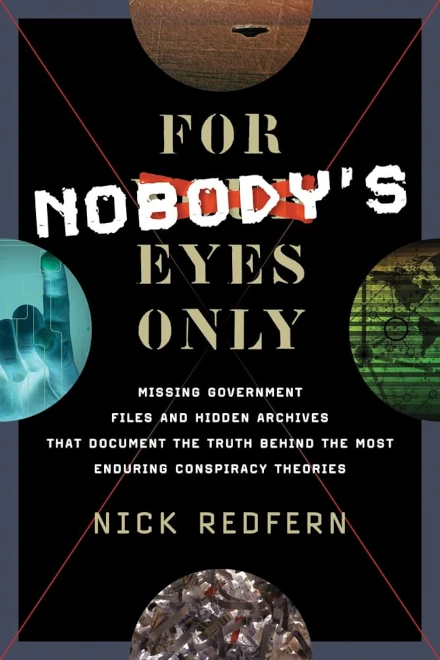
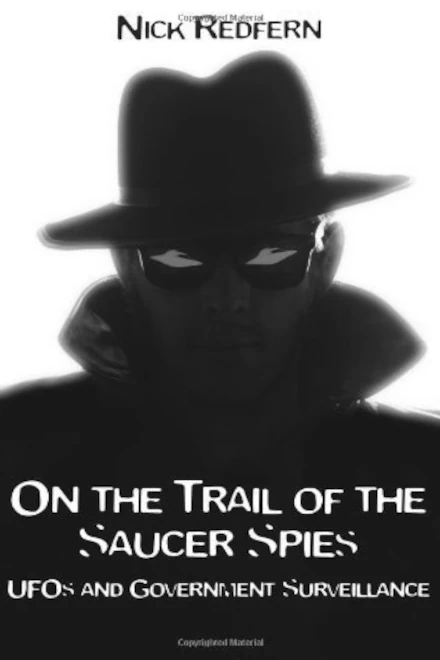
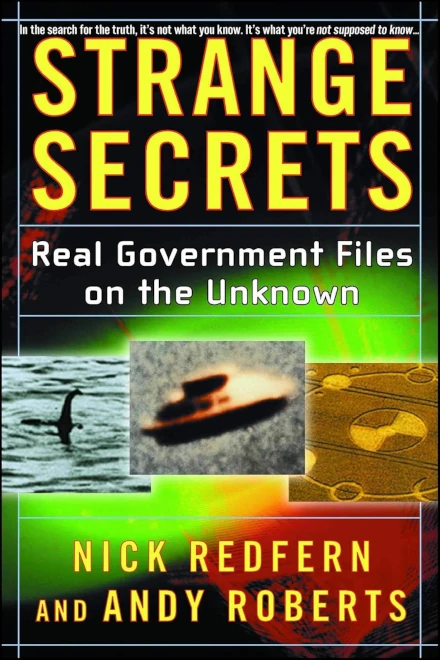
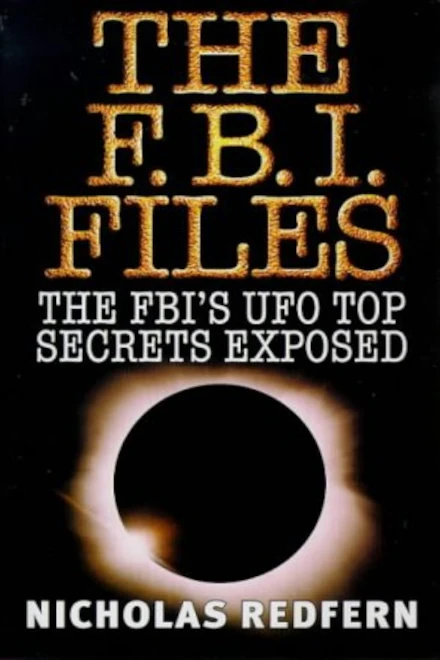
In early stages, Redfern concentrated on UK and US government UFO material and the mythology of official secrecy. He built an identity as an investigator of archives and “unopened files,” presenting the UFO phenomenon as something persistently shadowed by the state, even when official conclusions were dismissive.
Prominence (Year–Year)
Redfern’s prominence grew with books that targeted “core myth engines” of ufology—Roswell, men in black, and government cover-up allegations. During this period he developed a recognizable signature: propose a unifying theory that reinterprets familiar events through a darker, more complex institutional lens, often incorporating themes of experimentation, propaganda, or concealed programs.
Later Work (Year–Year)
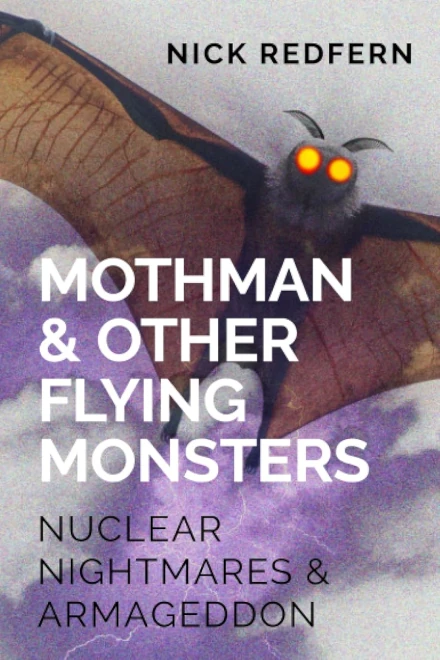
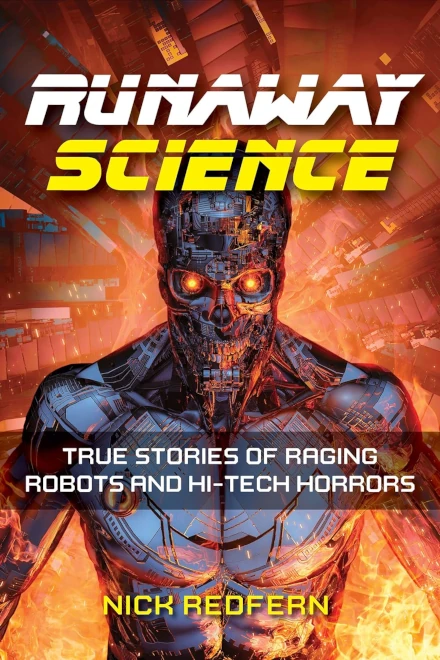
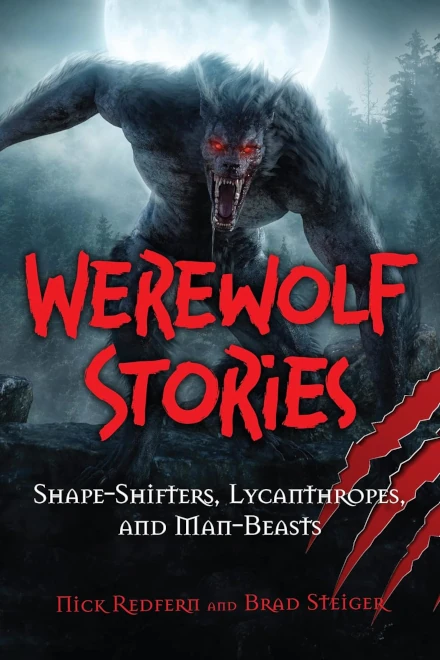
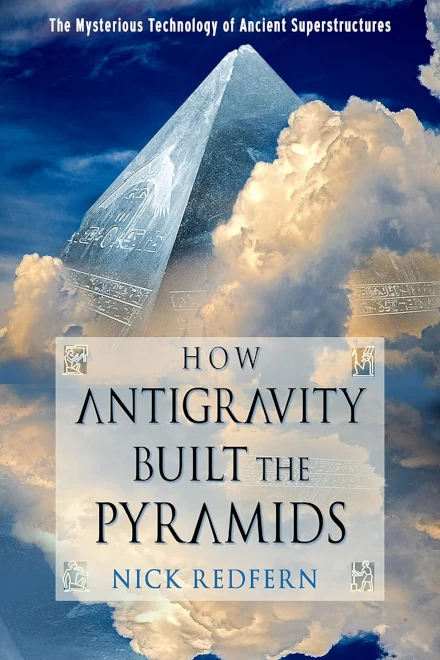
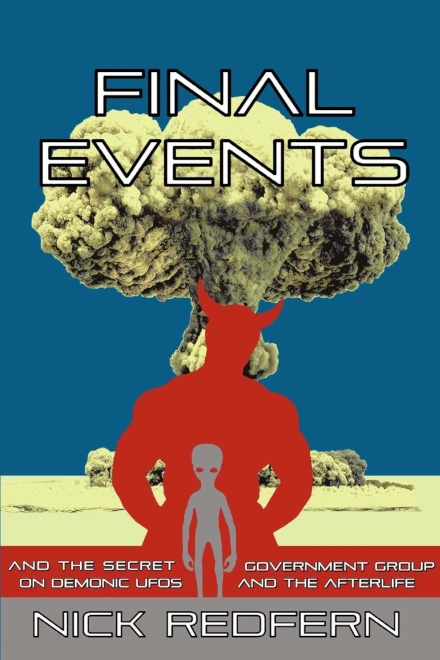
Later work expanded further into esoteric and theological territory, treating UFO experiences as overlapping with demonic, occult, or liminal interpretations. This broadened his audience among “high strangeness” communities while sharpening criticism from those who view such synthesis as ungrounded.
Major Contributions
- Prolific popularization of UFO history as an intelligence-and-secrecy narrative.
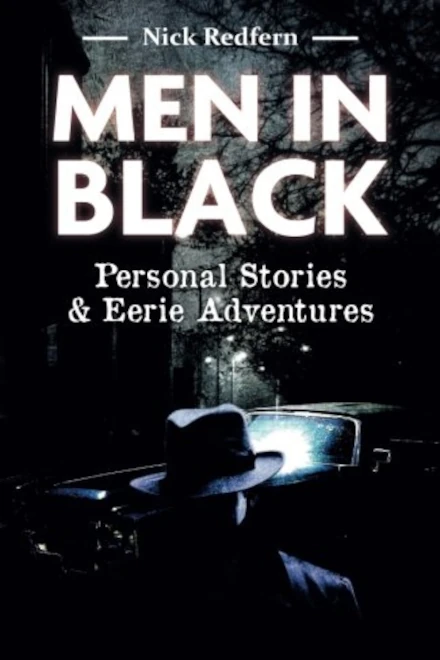
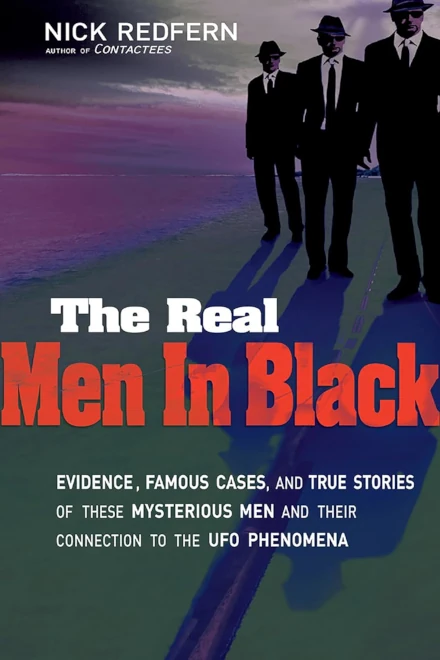
- Revitalization of men-in-black lore as a central ufological motif in modern publishing.
- Cross-genre synthesis that helped merge ufology with broader Fortean subcultures.
Notable Cases
Roswell is a recurring anchor, especially through Redfern’s alternative interpretations of “bodies” and the origin of reported remains narratives. He is also strongly associated with men-in-black literature and with broader “government files” storylines spanning the Cold War period.
Views and Hypotheses
Redfern’s hypotheses tend to be pluralistic and often non-ET-exclusive: UFO narratives may be entangled with secret programs, psychological operations, folkloric archetypes, or non-human interpretations outside the classic “space visitors” model. He frequently treats the phenomenon as “messier than aliens,” emphasizing ambiguity and contested causality.
Criticism and Controversies
Critics argue Redfern’s synthesis sometimes outruns available evidence, blending rumor, secondhand testimony, and speculative inference. Skeptics place his work closer to conspiracy literature than to disciplined case investigation. Supporters counter that he documents cultural history—how stories and files interact—rather than claiming laboratory-grade proof.
Media and Influence
Redfern is influential as a “reader pipeline” into UFO culture: many audiences encounter complex UFO mythologies through his books. His framing has also affected documentary scripting, where UFO content is frequently presented as a web of secrecy themes rather than as discrete sightings.
Legacy
Redfern’s legacy is that of a modern Fortean architect: a writer who helped reshape mainstream UFO pop-literature away from simple extraterrestrial narratives and toward a sprawling, hybrid mythology involving state secrecy, folklore, and high strangeness.