Introduction
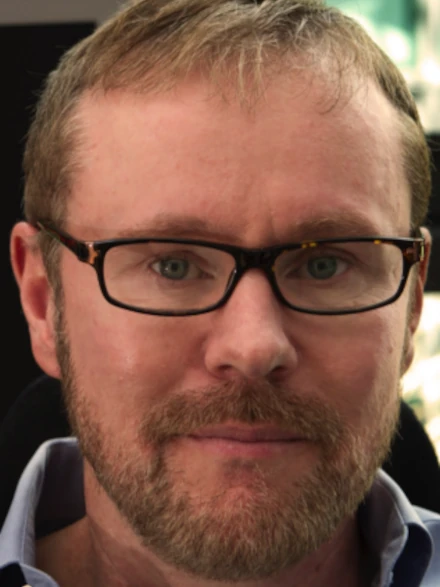
Garry Nolan is an American biomedical scientist and academic immunologist who became a prominent figure in contemporary ufology discourse through public advocacy for structured scientific study of unidentified anomalous phenomena (UAP). In the ufology ecosystem, he is best known for combining elite academic credibility with outspoken interest in alleged anomalous materials, experiencer health effects, and the institutional politics surrounding disclosure.
Background
Nolan built his professional reputation in laboratory science and translational biomedical research, working within conventional academic and funding structures. His ufology visibility derives less from traditional UFO field investigation and more from his role as a credentialed commentator emphasizing measurement, analysis, and the social barriers that discourage research into stigmatized topics.
Ufology Career
Nolan’s ufology “career” is defined by public interviews, conference participation, and organizational leadership rather than classic casework. He positioned himself as a mediator between mainstream scientific norms and a domain shaped by secrecy claims, contested evidence, and intelligence-community lore.
Early Work (Year–Year)
Prior to broad UAP notoriety, Nolan’s public footprint centered on biomedical science. In ufology contexts, his “early” phase is typically characterized as exploratory: speaking cautiously about the possibility of structured inquiry, while describing exposure to stories and materials that he framed as motivating research rather than proving conclusions.
Prominence (Year–Year)
Nolan’s prominence grew as UAP re-entered mainstream discussion and new organizations attempted to professionalize the topic. He increasingly appeared as a go-to “scientist spokesperson” for audiences seeking a credentialed voice supportive of UAP study, while also attracting scrutiny for the specificity and confidence with which he sometimes described extraordinary claims.
Later Work (Year–Year)
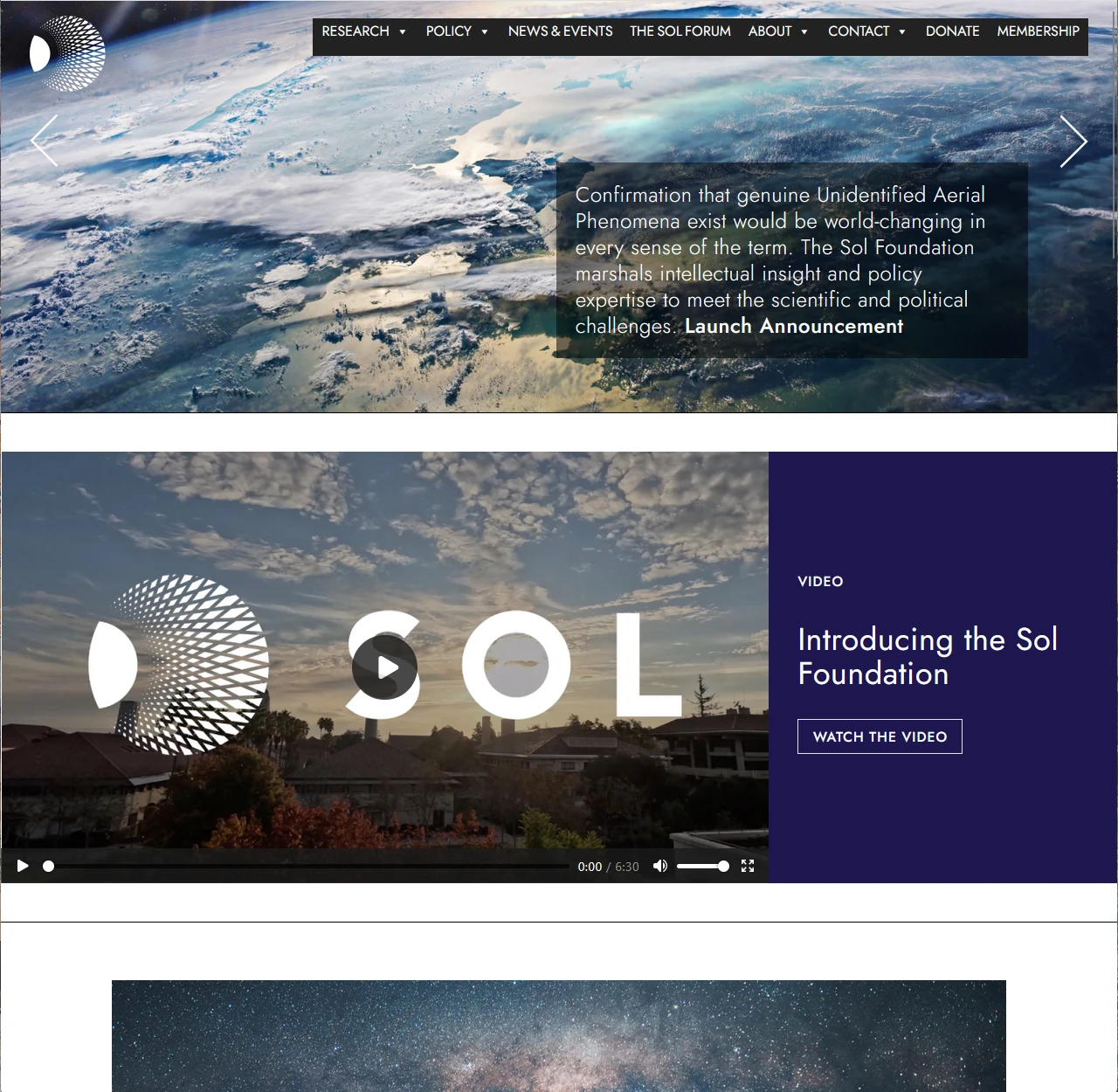
In later phases, Nolan’s role shifted toward institution-building and agenda-setting: defining what “serious” UAP research might look like, who should participate, and how public narratives can be shaped without collapsing into either credulity or reflexive dismissal. The Sol Foundation became the primary vehicle for this posture.
Major Contributions
- Helped popularize a framework for UAP inquiry that emphasizes data standards, multidisciplinary collaboration, and institutional legitimacy.
- Served as a public-facing bridge between credentialed science communities and UAP-aligned media ecosystems.
- Co-founded The Sol Foundation to convene policy and academic stakeholders around disclosure, stigma, and research governance.
Notable Cases
Nolan is associated in public discussion with claims involving purported anomalous materials and alleged biomedical/neurological effects linked to close encounters. In ufology reception, these associations function as “high stakes” examples that supporters cite as evidence of seriousness and critics cite as evidence of premature certainty.
Views and Hypotheses
Nolan’s stated posture generally favors methodological openness: UAP may represent multiple categories of misidentification, novel technology, or rare phenomena, and the solution is improved measurement and transparent protocols. He also emphasizes the sociology of science—how ridicule, career risk, and classification pressures distort research incentives.
Criticism and Controversies
Critics argue that Nolan’s high-profile platform can launder weak claims with academic prestige, and that references to extraordinary materials or effects often outpace what can be independently corroborated. Supporters counter that his position is exploratory and that in a stigma-laden domain, credible advocates are necessary to attract serious inquiry.
Media and Influence
Nolan is a frequent guest on long-form podcasts, UAP conferences, and media discussions that emphasize disclosure politics and “nuts-and-bolts” interpretations. His influence is amplified by the symbolic power of a mainstream scientist publicly stating that UAP deserves rigorous attention.
Legacy
Nolan’s legacy within ufology is likely to hinge on whether institution-building efforts like The Sol Foundation succeed in producing durable research norms and credible outputs. Regardless of outcomes, he represents a contemporary archetype: the credentialed academic who openly engages UAP discourse and attempts to professionalize it.