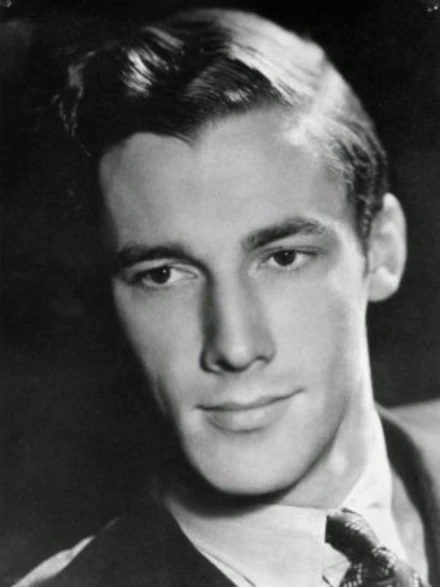
Introduction
Desmond Leslie was an early flying-saucer-era author whose work helped shape mid-century public understanding of UFOs, particularly through contactee-oriented narratives and speculative historical framing. In ufology history, Leslie is often placed within the “myth formation” phase, when books and media created enduring expectations about contact, government secrecy, and cosmic meaning—often with limited evidentiary grounding by modern standards.
Background
Leslie’s writing emerged during an era when UFOs were a global fascination and when the boundaries between journalism, speculative nonfiction, and belief-driven storytelling were often blurred. The contactee movement—claims of friendly encounters with space visitors—flourished in this climate.
Ufology Career
Leslie’s ufology career centered on authorship and public narrative construction. Rather than building a case-file portfolio, he contributed to the interpretive and imaginative layer of early UFO culture, offering context that blended ancient motifs with contemporary sightings enthusiasm.
Early Work (Year-Year)
Early work focused on presenting UFOs as a meaningful phenomenon connected to humanity’s long history of extraordinary experience—positioning the saucer wave as a modern chapter in an old story.
Prominence (Year-Year)
Prominence came through influential publishing that circulated widely and became part of early ufology’s foundational reading list. These texts shaped how non-specialists conceptualized UFOs: as visitors, messengers, and participants in a concealed reality.
Later Work (Year-Year
Later influence persisted primarily through citation. Even when contactee claims lost mainstream credibility, the narrative patterns Leslie helped popularize remained central to UFO storytelling.
Major Contributions
- Myth-making: Helped build the early narrative architecture of contact and secrecy.
- Ancient-mystery linkage: Connected UFO themes to older traditions and speculative history.
- Public imagination impact: Influenced how generations of readers interpreted the saucer era.
Notable Cases
Leslie is associated less with a single investigated case and more with the contactee-era publishing phenomenon and its signature claims.
Views and Hypotheses
His work often implies continuity between historical myths and modern sightings, framing UFOs as an intelligible presence rather than random misperceptions—an approach that privileges narrative coherence over strict evidentiary skepticism.
Criticism and Controversies
Criticism centers on credulity and lack of verification. Skeptics argue contactee literature encouraged belief without proof. Supporters argue these narratives captured experiential truths that conventional science and journalism were not equipped to validate.
Media and Influence
Leslie’s influence is strongest as a historical node: cited in documentaries about the early saucer era, contactees, and the formation of UFO mythology.
Legacy
Desmond Leslie remains an important early author in ufology’s cultural history—representing the period when UFO narratives were being invented, popularized, and embedded in mass imagination.