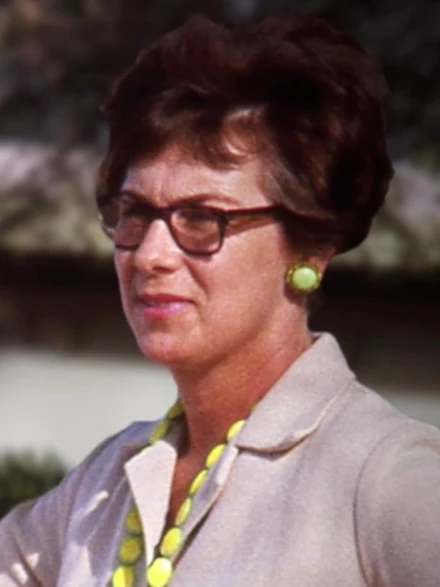
Introduction
Coral Lorenzen was a major figure in mid-20th-century American ufology, best known for building and sustaining civilian infrastructure for UFO investigation and publishing. She is frequently associated with the organized case-file tradition—systematically collecting witness reports, correspondence, and clippings; producing newsletters; and presenting UFOs as a persistent anomaly deserving sustained attention.
Background
Lorenzen’s importance is tied to the postwar explosion of UFO interest and the parallel development of civilian organizations that aimed to compensate for perceived government dismissiveness. Publishing and community coordination were crucial in this era, and Lorenzen’s work helped professionalize a volunteer-driven research culture.
Ufology Career
Her ufology career centered on organization-building, editorial leadership, and authoring accessible summaries that encouraged readers to interpret UFOs as a real, unresolved phenomenon. She helped create templates for how cases were reported and archived.
Early Work (Year-Year)
Early work involved establishing processes: intake of reports, categorization, follow-up correspondence, and dissemination through newsletters and books. This built the social and informational glue of early ufology.
Prominence (Year-Year)
Prominence came through sustained publishing output and organizational visibility. Lorenzen became a recognizable name to readers who followed UFO developments through newsletters and paperbound compilations.
Later Work (Year-Year
Later contributions continued to emphasize documentation, continuity of case records, and arguments that the phenomenon’s persistence implied a meaningful underlying reality.
Major Contributions
- Organizational infrastructure: Helped build durable civilian mechanisms for UFO reporting and archiving.
- Publishing leadership: Shaped how readers learned about UFO cases in a pre-internet era.
- Case-file culture: Strengthened the idea that accumulated reports could be evidence in aggregate.
Notable Cases
Lorenzen’s “notable cases” are the case collections and recurring flap periods documented through organizational channels rather than a single signature incident.
Views and Hypotheses
Her work typically treated UFOs as a genuine unresolved phenomenon, emphasizing witness credibility and pattern recurrence across geographic and temporal boundaries.
Criticism and Controversies
Critics argue that case-file ufology can amplify weak reports and create pattern illusions. Supporters argue that consistent reporting across decades indicates something real that conventional explanations fail to dissolve.
Media and Influence
Lorenzen’s influence is strongest in ufology’s institutional memory: many later investigators relied on early organizational archives and publishing models pioneered in her era.
Legacy
Coral Lorenzen remains a foundational organizer-author figure in American ufology, representing the mid-century transition from curiosity to sustained civilian research infrastructure.