Introduction
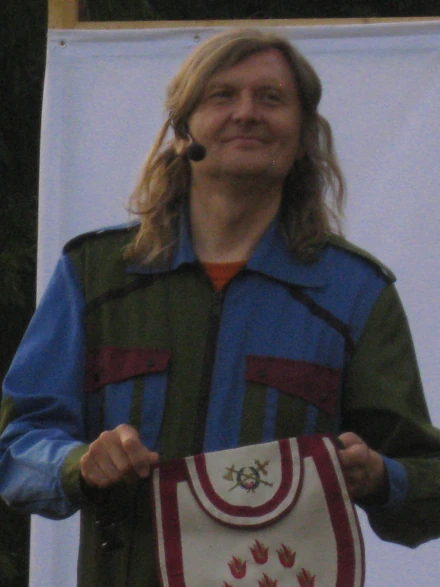
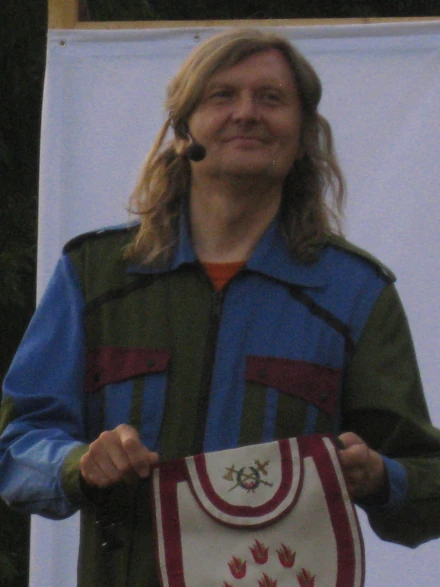
Jüri Lina is an author whose work is frequently referenced in conspiracy and esoteric subcultures that overlap with certain strains of ufology. Rather than focusing on UFO cases directly, Lina’s relevance lies in interpretive framing: portraying world events as guided by hidden organizations and esoteric power structures, a theme that readily merges with UFO cover-up narratives.
Background
Lina’s writing emerges from traditions of political conspiracy literature and esoteric critique, often emphasizing secrecy as the defining feature of modern governance and cultural manipulation.
Ufology Career
Lina’s ufology connection is indirect. His work supplies a “background cosmology” for cover-up thinking: if hidden networks run history, then UFO secrecy becomes a natural extension of that worldview.
Early Work (Year-Year)
Early work established Lina’s signature style—broad claims, symbolic interpretation, and a focus on secret societies as engines of history.
Prominence (Year-Year)
Prominence grew through translation, niche publishing, and adoption by alternative media ecosystems. In ufology-adjacent spaces, Lina’s themes are often used to justify maximalist secrecy assumptions.
Later Work (Year-Year
Later influence continues through internet circulation and long-form alternative media, where conspiracy synthesis remains a popular explanatory mode.
Major Contributions
- Cover-up scaffolding: Provided a broader conspiratorial framework into which UFO secrecy can be placed.
- Esoteric-politics synthesis: Blended occult motifs with political conspiracy narratives.
- Niche influence: Became a cited author in certain high-strangeness and “hidden hand” communities.
Notable Cases
Lina is not primarily associated with signature UFO cases. His “cases” are historical claims about hidden organizations and long-term covert influence patterns.
Views and Hypotheses
His work tends to treat secrecy as the dominant explanatory principle behind modern history. In UFO-adjacent contexts, this can support the claim that “lack of evidence” is itself evidence of suppression.
Criticism and Controversies
Critics argue Lina’s approach can encourage paranoia and confirmation bias, building narratives resistant to disproof. Supporters argue that elite secrecy and influence operations are real historical phenomena and that synthesis can reveal patterns missed by conventional histories.
Media and Influence
Lina’s influence appears in alternative documentaries, translated texts, and online communities that mix political conspiracy with paranormal and UFO themes.
Legacy
Lina remains a notable contributor to the conspiratorial worldview layer that often surrounds ufology, shaping how some audiences interpret secrecy and institutional behavior.