Introduction
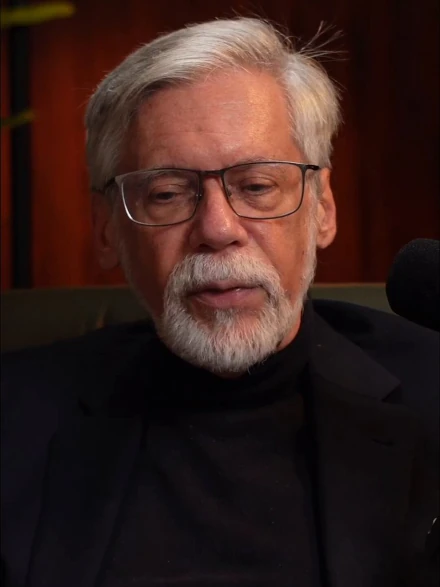
Peter Levenda is an author whose work intersects ufology, occult history, intelligence narratives, and “deep politics” interpretations of modern culture. In UFO discourse, Levenda is frequently cited not for singular case investigations but for frameworks that reposition UFO history as part of broader clandestine ecosystems involving ideology, psychological operations, esoteric traditions, and state secrecy.
Background
Levenda’s background as a prolific writer shaped a style defined by aggregation: assembling historical fragments, rumored connections, and cultural motifs into overarching interpretive architectures. This approach resonates with ufology audiences who view the UFO subject as inseparable from institutional manipulation and hidden agendas.
Ufology Career
Levenda’s ufology-adjacent career consists of books, interviews, and collaborations that treat UFOs as one node in a larger network of clandestine history. His emphasis is often on how narratives are constructed, why secrets persist, and how belief systems are cultivated.
Early Work (Year-Year)
Early ufology-relevant work emphasized the occult and political undercurrents of modern history—building a foundation for later claims that UFO discourse itself may be shaped by covert influence and symbolic operations.
Prominence (Year-Year)
Levenda’s prominence expanded as podcast culture and disclosure-era interest intensified demand for “big-picture” maps of the UFO phenomenon. His work became a recurring reference in communities seeking connective tissue between UFO lore and intelligence history.
Later Work (Year-Year
Later work continued consolidating these themes, reinforcing Levenda’s role as a narrative architect rather than a field investigator.
Major Contributions
- Framework building: Provided interpretive models linking ufology to occult/intelligence narratives.
- Deep-politics emphasis: Encouraged analysis of institutions, incentives, and influence operations in UFO history.
- Cross-domain synthesis: Popularized the idea that UFOs cannot be understood in isolation from culture and secrecy.
Notable Cases
Levenda is not defined by a single iconic UFO case; his “cases” are historical clusters—episodes where state secrecy, symbolism, and anomalous claims intersect in ways that invite larger interpretive narratives.
Views and Hypotheses
His work often implies that UFO narratives may function as instruments—intentionally or organically—within broader systems of belief management, myth-making, or covert politics. This does not require UFO claims to be false; rather, it treats the surrounding cultural machinery as essential.
Criticism and Controversies
Critics argue Levenda’s style can blur distinctions between evidence and insinuation, producing self-reinforcing webs where the absence of proof becomes a feature rather than a weakness. Supporters argue that synthesis is necessary when primary records are fragmented or intentionally obscured.
Media and Influence
Levenda is influential in long-form alternative media and UFO-adjacent podcasts, where his “map the hidden system” approach fits the genre’s demand for cohesive grand narratives.
Legacy
Levenda’s enduring impact is as an interpretive bridge between ufology and the wider world of occult history and deep-politics storytelling, shaping how a significant audience frames the UFO problem.