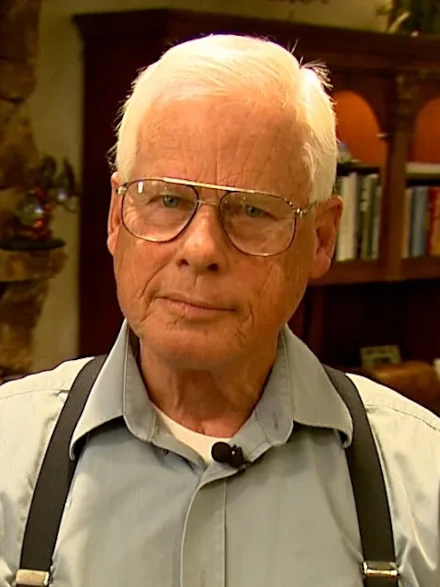
Introduction
John Lear was an aviation figure and prominent UFO conspiracy promoter whose influence lies in popularizing broad, dramatic claims about extraterrestrial presence and government cover-ups. Lear became a central voice in the late-20th-century shift from “sightings-focused ufology” toward “secret program ufology,” where the most important evidence is presumed hidden behind classification, black budgets, and institutional deception. His narratives helped shape the expectation that UFO truth is primarily a matter of suppressed information rather than open scientific inquiry.
Background
Lear’s aviation associations provided a credibility halo that enhanced his influence among audiences predisposed to trust insider-sounding claims. In UFO culture, aviation and defense proximity are often treated as indicators of privileged knowledge, even when specific claims are not verifiable.
Ufology Career
Lear’s ufology career was media-centric: interviews, lectures, and dissemination of sweeping allegations. He functioned as a narrative synthesizer, assembling rumors, whistleblower stories, and speculative connections into cohesive cover-up frameworks. Lear’s style favored breadth—many claims across many domains—over narrow case resolution.
Early Work (Year-Year)
In early involvement, Lear began circulating secrecy-focused accounts that framed UFOs as a long-running hidden reality. His messaging aligned with the era’s growing fascination with Area 51 and clandestine aerospace programs, allowing his claims to blend with genuine secrecy culture.
Prominence (Year-Year)
Prominence followed through repeated media exposure and through his role in connecting multiple sub-narratives—alien presence, government treaties, secret bases, and advanced craft—into a single explanatory story. Lear became a major reference point for conspiracy-oriented ufology and influenced later whistleblower media styles.
Later Work (Year-Year)
Later years sustained his legacy through the continued circulation of his claims in UFO documentaries and online communities. Even when specific allegations were challenged, the broader narrative architecture—massive cover-up as the default explanation—remained durable.
Major Contributions
- Conspiracy architecture: Helped solidify the “everything is hidden” model as a dominant ufology frame.
- Area 51 mythos reinforcement: Amplified secret-base narratives and whistleblower culture.
- Media style influence: Contributed to the modern “insider allegation” genre of UFO content.
Notable Cases
Lear is not defined by a single investigated incident; his “cases” are program-level allegations and secrecy narratives. He is frequently discussed in the context of Area 51 lore and in relation to other figures whose claims reinforced the same ecosystem.
Views and Hypotheses
His worldview typically asserts that UFOs represent an ongoing non-human presence and that government institutions conceal the truth through intimidation, disinformation, and compartmentalization. This model treats lack of evidence as expected, because the system is designed to prevent evidence from surfacing.
Criticism and Controversies
Critics argue that Lear’s claims often lacked documentation and relied on rumor networks, creating self-sealing narratives where disproof becomes part of the cover-up. Supporters argue that secrecy culture makes conventional proof hard and that patterns of suppression are historically plausible.
Media and Influence
Lear’s influence persists through repeated documentary citation, especially in content emphasizing secret bases and whistleblower claims. He remains a key node in the genealogy of modern UFO conspiracism.
Legacy
John Lear’s legacy is as a major amplifier of maximalist cover-up narratives—shaping how large segments of UFO culture interpret ambiguity, evidence gaps, and institutional silence.