Introduction
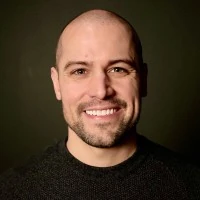
Ryan Graves is a former U.S. Navy fighter pilot who became a prominent public advocate for improved UAP reporting procedures and aviation safety. In contemporary UAP discourse, his importance lies less in speculative theories and more in emphasizing recurring, operationally relevant encounters reported by trained military aviators.
Background
Graves’ credibility within UAP discussions is grounded in his experience as a Navy pilot operating in controlled training environments with access to professional reporting channels. This context positions his claims within a framework of operational risk and institutional process.
Ufology Career
Graves’ “ufology career” is better described as UAP advocacy: public testimony, interviews, and efforts to reform how institutions collect and analyze reports. He is associated with the push to treat UAP as a legitimate safety and security category requiring systematic data capture.
Early Work (c. 2009–2013)
During early service years, Graves developed operational experience that later shaped how he interpreted anomalous encounters: as potentially hazardous, reportable events rather than solely mysteries for entertainment media.
Prominence (c. 2014–2022)
His prominence rose as pilot encounter narratives became central to UAP legitimacy in mainstream media. Graves highlighted that repeated training-range encounters suggested an institutional need for better reporting pipelines and analytic follow-through.
Later Work (c. 2023–present)
In later work, he continues public advocacy and participates in policy-adjacent conversations emphasizing transparency, reporting protections, and improved data systems. He often argues that regardless of ultimate explanation, operational safety demands robust procedures.
Major Contributions
- Safety framing: Positioned UAP reporting as an aviation and national-security necessity.
- Stigma reduction: Advocated protections for pilots and operators who report anomalies.
- Systemic interpretation: Emphasized patterns and recurrence rather than isolated anecdotes.
Notable Cases
Graves is most associated with recurring reports in military training contexts rather than a single iconic civilian case. His narrative emphasizes frequency, institutional awareness, and the need for consistent documentation.
Views and Hypotheses
He typically avoids definitive origin claims, focusing on the need to accurately characterize what is being observed. His public messaging stresses that uncertain identity does not justify ignoring potential hazards.
Criticism and Controversies
Skeptics argue that limited public data can lead to over-interpretation and that some incidents may ultimately have mundane explanations. Supporters argue that Graves’ central claim—improve reporting and analysis—remains valid regardless of the final causes.
Media and Influence
Graves is a frequent interview subject in UAP media and is often cited as a key witness advocating procedural reforms. His role helps define the modern, policy-facing phase of UAP discourse.
Legacy
He is likely to be remembered as a pivotal pilot advocate who pushed UAP reporting into the aviation-safety and institutional accountability domain, helping normalize serious discussion among mainstream audiences.