Introduction
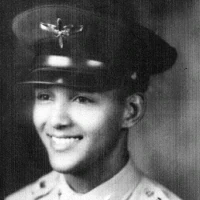
Robert Friend is best known in UFO history as a U.S. Air Force officer associated with leadership duties within Project Blue Book, the Air Force’s long-running UFO investigation program. On UAPedia, Friend should be treated as a key “official era” profile: a person whose significance comes from proximity to institutional process rather than from public theorizing.
Background
Friend’s career is military-first, with later public interest tied to his Blue Book association. He is frequently referenced because Blue Book remains the core “official UFO” historical anchor used by both skeptics and believers.
Ufology career
Friend’s ufology “career” is primarily his role inside the official investigation framework and later commentary about it. He is not remembered as a prolific ufology author in the way many civilian researchers are, but rather as a historical participant.
Early work (Year–Year)
This section should focus on the period when he was involved with Blue Book responsibilities. UAPedia should summarize what Blue Book was tasked to do, what constraints existed, and what kind of UFO reports were handled.
Prominence (Year–Year)
Friend’s prominence grows in retrospect: as UAP debates revisit Blue Book, any named leader becomes part of the argument about institutional sincerity vs public-relations posture. His name is often used as a “credible insider” reference.
Later work (Year–Year)
Later relevance includes interviews, archival mentions, and documentary references that draw on Blue Book history. Over time, Friend becomes less a “personality” and more a node in the institutional timeline.
Major contributions
Friend’s contribution is participation in one of the most important official UFO programs in U.S. history. His role helps anchor discussions about how reports were triaged, recorded, and explained.
Notable cases
Rather than owning one famous case, Friend’s importance is procedural: how Blue Book handled cases across categories. If UAPedia has Blue Book case pages, Friend’s bio should cross-link to the era’s major incidents.
Views and hypotheses
Friend is often cited as open to the possibility of extraterrestrial life while emphasizing uncertainty. A good entry distinguishes his personal openness from what Blue Book as a bureaucracy officially claimed.
Criticism and controversies (if notable)
Controversy typically attaches to Blue Book itself: claims of debunking bias vs claims of responsible investigation. Friend’s page should present his role without turning him into a proxy for the entire program’s controversies.
Media and influence
Friend appears as a historical reference in Blue Book histories, documentaries, and discussions of U.S. Air Force UFO handling.
Selected works
If listing works, focus on any documented interviews, archival collections, and any publications linked to his Blue Book experience.
Legacy
Friend’s legacy is that he represents the “official file” era of UFO history—essential context for understanding why modern UAP debates obsess over bureaucracy, classification, and public messaging.