Introduction
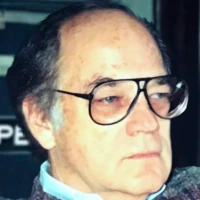
Robert Emenegger is best known in ufology as a 1970s-era documentary writer whose work helped shape “mainstream TV documentary” UFO storytelling. His influence comes from packaging case histories into an authoritative broadcast format and from long-running controversy over alleged government cooperation and promised-but-unreleased materials.
Background
Emenegger worked in film/media contexts and became involved in producing and writing UFO documentary content during a period when UFOs were transitioning from early “saucer wave” folklore into a recognizable TV documentary genre.
Ufology career
Emenegger’s role is primarily as a communicator and compiler rather than a field investigator. He is linked to a “curated canon” approach: presenting major sightings, official statements, and narrative arcs that TV audiences could follow, while also foregrounding unanswered questions and hints of official knowledge.
Early work (Year–Year)
The key early phase is the lead-up to the 1974 film, when documentary teams were building case packages and aligning them with narration, dramatizations, and authority cues (credible witnesses, official imagery, institutional tone).
Prominence (Year–Year)
Emenegger’s prominence peaks with UFOs: Past, Present, and Future and its later re-releases under different titles to match renewed public interest in UFOs. The film’s “big claims adjacent to sober packaging” became a template for later UFO documentaries.
Later work (Year–Year)
As the documentary circulated, discussion around “what was promised vs what was shown” became part of Emenegger’s enduring footprint in UFO culture, with enthusiasts treating the film era as a hinge point where government interest, media, and public fascination visibly overlapped.
Major contributions
Emenegger helped standardize a documentary language for UFOs: assembling a timeline of major cases, presenting witness categories (pilots, radar operators, police, military), and framing UFOs as a national puzzle rather than a purely tabloid curiosity. His work also contributed to the “missing footage” mythos that fuels disclosure-style expectations in later decades.
Notable cases
The documentary format typically highlights well-known postwar cases and waves rather than new investigations. The best-known “case” tied to Emenegger specifically is the alleged existence of extraordinary landing/interaction footage that was rumored in relation to the era’s documentary efforts.
Views and hypotheses
Emenegger’s public-facing framing historically leaned toward “something real is happening; official knowledge may exceed public statements,” while still presenting multiple possibilities through case compilation rather than single-cause explanation.
Criticism and controversies (if notable)
Criticism generally targets documentary-era UFO storytelling: narrative certainty can exceed documentation, and “implied official confirmation” can become folklore when primary materials are absent. For skeptics, this is a cautionary example of how UFO media can ossify rumor into “everybody knows” history.
Media and influence
His film remains a reference point for 1970s UFO documentary culture and for the repeated trope: “the government almost disclosed something big.”
Selected works
UFOs: Past, Present, and Future (documentary film; later re-releases) UFOs: Past, Present, and Future (book)
Legacy
Emenegger’s legacy is less about a single solved claim and more about a durable media artifact that still influences how UFO history is narrated to mass audiences—especially the idea that definitive evidence exists “just out of reach.”