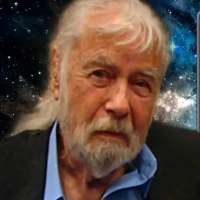
Introduction
Robert Dean was an American ufologist known for presenting himself as a retired senior enlisted U.S. Army figure who encountered classified NATO material about UFOs. In ufology he is most associated with claims about a SHAPE/NATO briefing document and a long-running argument that governments privately treat UFOs as real but socially destabilizing.
Background
Dean described a lengthy military career culminating as a Command Sergeant Major, later working in civilian emergency services. His ufology persona was built around “credentialed access,” positioning his story as a bridge between military bureaucracy and UFO secrecy claims.
Ufology career
Dean’s public role was primarily as lecturer and interview subject rather than field investigator. He appeared at conferences and on radio/TV, repeating a consistent narrative: NATO studied UFOs, concluded there was no immediate military threat, and secrecy persisted for political reasons.
Early work (Year–Year)
Late 1980s–1990s: Dean emerged more widely in the UFO circuit as a speaker tied to “military witness” themes. His story gained traction in a period when insider testimony and document-leak narratives were especially influential.
Prominence (Year–Year)
1990s–2000s: He became a recognizable name at UFO conferences and in documentaries, often introduced with NATO/SHAPE framing and “Cosmic Top Secret” language. His claims were frequently repeated, debated, and used as supporting color for broader cover-up arguments.
Later work (Year–Year)
2000s–2010s: Dean continued speaking and granting interviews, sometimes expanding the narrative toward wider claims about extraterrestrial presence, categories of beings, and the sociopolitical impacts of disclosure.
Major contributions
Dean helped cement the “retired NATO/military insider” archetype in modern ufology. He also contributed to the mythology around SHAPE/NATO UFO documentation—whether as a sincere witness, a mistaken interpreter, or a controversial narrator, depending on viewpoint.
Notable cases
Dean’s “signature case” is not a single sighting but the claimed NATO/SHAPE “Assessment” briefing and related interpretations. He also referenced broad European UFO activity as context for why NATO would have produced assessments.
Views and hypotheses
He argued that UFOs represent a real phenomenon involving non-human intelligence; that governments have more information than they admit; and that disclosure is managed to avoid panic, institutional collapse, or geopolitical disadvantage.
Criticism and controversies (if notable)
His SHAPE/NATO claims remain disputed. Critics argue the story relies on unverifiable assertions and document-legend dynamics; supporters treat it as insider testimony consistent with broader secrecy patterns. NATO/SHAPE historians have addressed the “alleged Assessment” narrative directly and dispute key premises.
Media and influence
Dean’s influence spread primarily via conferences, documentary clips, and long interviews—formats where his credentials and storytelling could be foregrounded. He remains cited in discussions of “military disclosure” trends.
Selected works
Frequently cited appearances include “Cosmic Top Secret” themed interview media and conference lecture recordings.
Legacy
Dean is remembered as a major “insider-claim” voice in late-20th-century ufology, shaping how audiences imagine NATO’s relationship to UFO reporting and how disclosure narratives are framed.